What the government approved
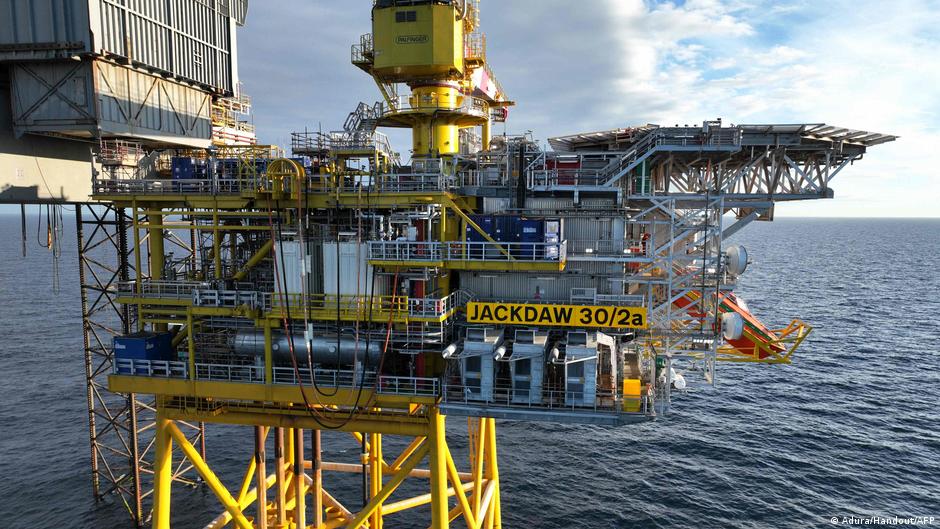
The UK government gave the go-ahead on Wednesday for drilling to begin at the Jackdaw gas field in the North Sea, according to DW. The decision ends years of legal and political obstacles around the project. The field lies about 150 miles (240 kilometres) east of Aberdeen in Scotland.
Energy Minister Miatta Fahnbulleh said gas could begin flowing to British homes and businesses by the end of the month. DW reported that Jackdaw is expected to raise domestic gas production by 6% and to operate for 11 years.
Shell, a partner in the Adura joint venture with Norway's Equinor, welcomed the decision. The company said: "Long-term energy projects depend on a competitive and stable investment environment, alongside timely and predictable regulatory decisions."
Why the project was stalled
The field was first approved by the previous Conservative government. A Scottish court later held up that approval, saying it had failed to consider carbon emissions, according to DW. That ruling left the project in limbo until the current Labour government issued its decision.
The government has justified the move on energy security grounds, pointing to rising energy costs linked to the US-Israeli war against Iran, DW reported.
What Burnham and the government are saying
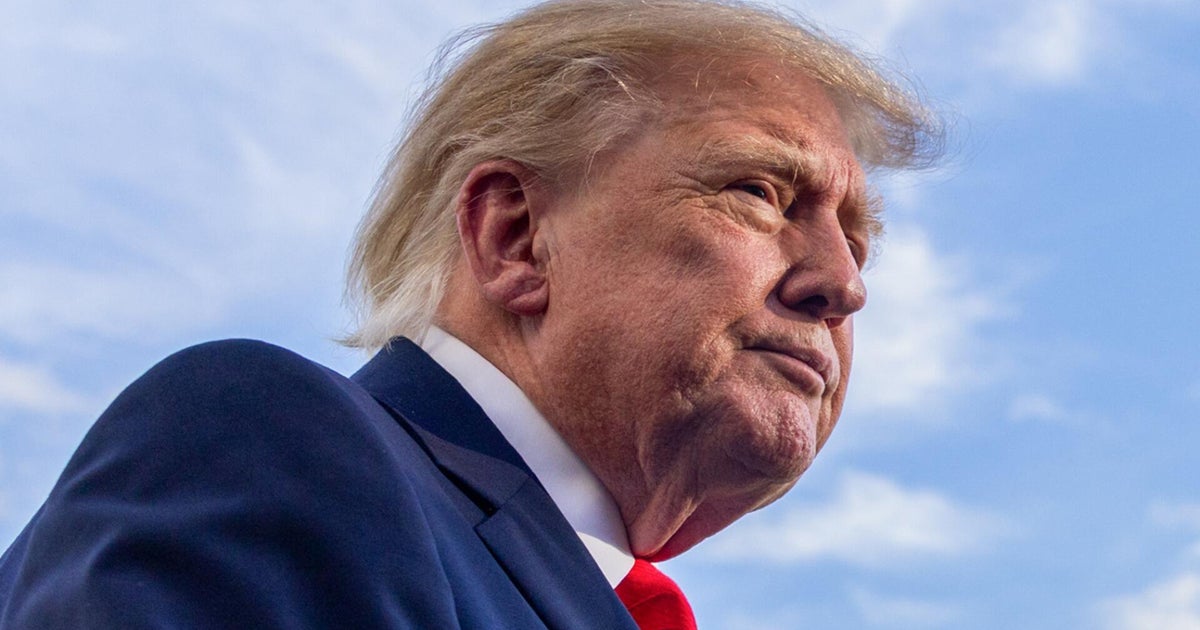
Prime Minister Andy Burnham, who DW said has been under pressure from US President Donald Trump to increase North Sea drilling, said the field would "protect hundreds of jobs and help keep millions of homes warm this winter."
"At a time when people are really struggling, it's right that we look in a responsible way at maximising the existing energy reserves we have in Britain that could help," Burnham said. He added that the government remains committed to renewable energy and to reaching net zero by 2050, but argued that oil and gas will still be needed "for decades to come." He described the government's approach to the North Sea as pragmatic.
Alongside the approval, the government announced a new Energy Wealth Fund with an initial £2 billion ($2.7 billion). It is intended to channel oil and gas revenues into funding the shift to cleaner energy, which DW described as an attempt to show the government remains committed to its climate targets.
Criticism from climate campaigners
The decision drew sharp criticism. The Green Party called it "climate vandalism." Greenpeace said the approval showed "the toxic grip fossil fuel lobbyists still hold over our energy policy."
Greenpeace's Ami McCarthy said: "True pragmatism means severing our reliance on expensive oil and gas that leaves British households broke, supercharges extreme weather, and leaves our energy security at the mercy of petrostates."
Critics have also questioned whether Jackdaw will actually lower British gas bills, noting that prices are determined by global energy markets, according to DW.
The climate backdrop
DW noted that the UK's net zero target must be viewed against current conditions. A new UN report says the world is heading for 2.8 degrees of warming, well above the 1.5-degree goal set in the Paris Climate Agreement. The decision also follows the UK's hottest summer on record, with temperatures reaching 38 degrees in some areas in June, according to the Met Office.
Other coverage listed alongside the DW report points to wider reaction. CNN reported that Trump welcomed the decision, and The Guardian reported that the energy secretary is leaning toward rejecting the Rosebank oilfield.