What the survey found
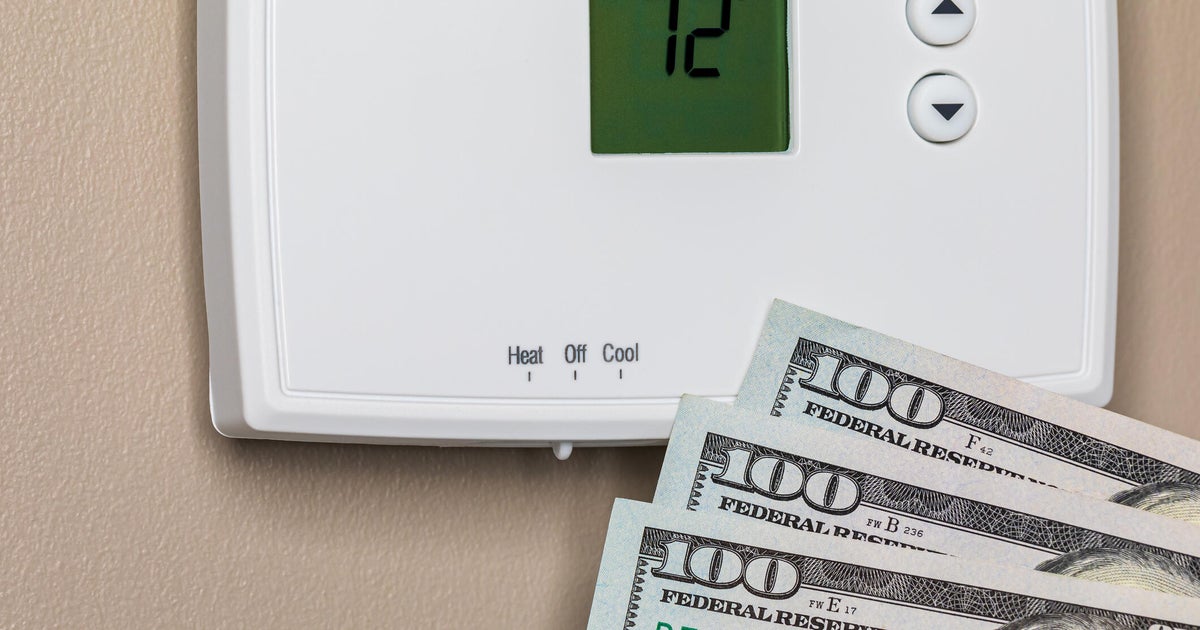
About one in five Americans say they have cut back on groceries to afford their electricity bills, according to a new survey from Consumer Reports. Roughly a quarter of consumers say they have set their heating or air conditioning at uncomfortable levels to reduce energy costs.
The nonprofit advocacy group surveyed more than 2,000 adults nationally. Among people who have lived in the same home for at least three years, about 80% said their electricity bills have risen over that time. The largest share, 28%, reported increases of between 20% and 49%.
Federal data show electricity prices across major U.S. cities have climbed 14% over the last three years, CBS News reported. Respondents said they are coping by switching to less expensive foods and spending less on discretionary items.
Who is feeling the strain
Sara Enright, senior director of safety and energy at Consumer Reports, told CBS News that many people do not know how they can afford rising rates. She said vulnerable groups such as students and retirees on fixed incomes have little flexibility in their budgets, so a surprise bill in the summer heat "can be frightening."
Enright said consumers tend to prioritize paying utility bills because they need to keep the lights on and refrigerators running. "People are cutting back on food" to pay those bills, she said, adding that they are also cutting back on non-essentials such as vacations and eating out.
Mark Wolfe, executive director of the National Energy Assistance Directors Association, told CBS News that more middle-income households are applying for government energy assistance even though their incomes are too high to qualify. The federal Low Income Home Energy Assistance Program is limited to people who earn less than 60% of their state's median income.
Blame, distrust and the broader cost squeeze
Consumer Reports found that Americans attribute higher electric bills to utility companies seeking to maximize profits and to the rapid buildout of data centers. Schneider Electric, an energy management company, forecasts electricity demand will rise 16% by 2029, mainly because of data centers. Natural gas prices, the electrification of buildings and vehicles, and other factors are also contributing to higher power costs, according to the report.
A majority of respondents said they do not believe state utility regulators are protecting their interests. Enright said the public is increasingly distrustful that government is looking out for them, and that this holds true across party lines.
The pressure comes as families also face sharply higher gasoline and diesel prices tied to higher oil costs from the war in Iran, CBS News reported. Wolfe said a $100 to $150 monthly increase in driving costs "might be the whole surplus in your budget" for people living paycheck to paycheck.
Political stakes and a new tool
Other polling suggests energy costs are weighing on voters ahead of next month's midterm elections. An October survey from Climate Power, a clean energy advocacy group, found food costs are the top concern for voters in battleground states, followed by gas prices and utility bills.
Consumer Reports said it is launching an initiative called Power Smarter to help households lower energy costs. It includes the CR Bill Decoder, where consumers can submit their electric bills. The organization said it will anonymize and aggregate the data to analyze trends and map prices across the country.
Enright described the tool as a simple first step for people who want to learn more about their bills. She said Consumer Reports plans national and state-level evaluations of what is driving costs and will use the findings to advocate for affordable energy.