What happened
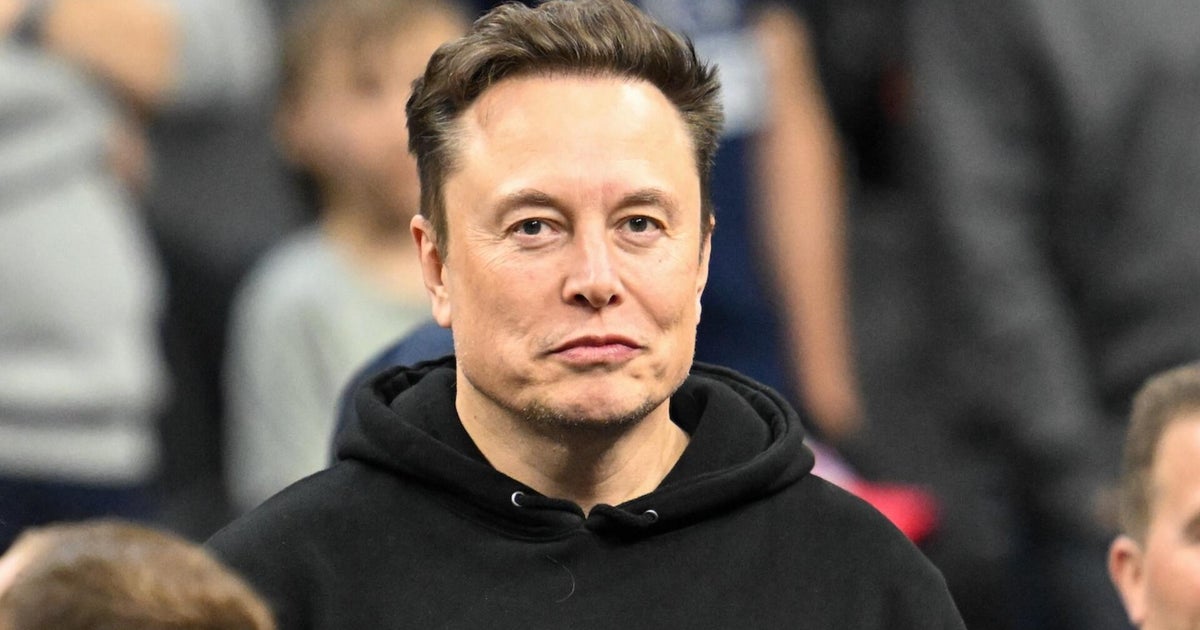
Elon Musk made the call to curb Ukraine's access to SpaceX's satellite network, according to people familiar with the matter who spoke to CBS News. The service supports drone missions, strikes on certain targets and the protection of sites across Ukraine. It was slowed sharply last week.
The sources said Musk spoke several times with administration officials before the order, seeking clarity on what the president wanted. He has also voiced discomfort with SpaceX being seen as profiting from the continuing war. CBS News reported it is unclear how the order was carried out. The Wall Street Journal first reported Musk's role.
Musk did not respond to CBS News' request for comment. In a post on X last week, he said the U.S. government controls who can use the technology and at what service level. "Any limits on speed or usage are decided by the US military and ultimately POTUS," he wrote. CBS News said it had asked the White House and the Pentagon for comment.
Why the slowdown hurt on the battlefield
Starshield is a military-grade network that SpaceX builds for the U.S. government and its partners. It relies on technology similar to the civilian Starlink service. Washington pays for it and decides who may connect. CBS News reported that its use is restricted to Ukraine and Russian-occupied areas, and that Russia cannot use it.
Ukraine's forces depend on it to communicate and to stay in contact with drones over long distances. CBS News reported that no working alternative exists and that no competitor comes close to Starlink's constellation of low-orbit satellites.
Standard Starlink terminals stop working well above a 70 km/hr speed cap, but Starshield has no such cap and is known to function at 160 km/hr or more. Strike drones using it cruise at 160 km/h or faster and anchor Ukraine's mid-range strikes. Ukrainian officials and soldiers told CBS News that trouble began late Tuesday. Some units reported dropped links at speeds as low as 90 km/hr, which made those drones unusable.
Dimko Zhluktenko, a drone pilot and analyst in Ukraine's Armed Forces, estimated in an analysis that the degradation cost Ukraine tens of millions of dollars in losses. Zelenskyy said on Saturday that the limits kept Ukraine from using the system to shoot down Shahed attack drones.
Conflicting accounts in Washington and Kyiv
Some administration officials were surprised by the restrictions, CBS News reported. They said neither President Trump nor the Pentagon ordered limits meant to disrupt drone operations or battlefield communications. Trump said Monday he was trying to learn who was responsible. "I don't know who it was, but I'd like to find out," he said.
Defense Secretary Pete Hegseth told reporters Tuesday that the Pentagon had not manipulated the service. "We haven't pulled anything back," he said, adding that Starlink has the option to act under its terms of service and that the Pentagon had issued no directives.
Sources in Ukraine's Ministry of Defense told CBS News that SpaceX imposed the restrictions on its own. Zelenskyy's office said Wednesday that Ukraine's use was still throttled. Zelenskyy told NBC News over the weekend that the maximum speed was 161 km/hr, and he said he had raised the matter with Secretary of State Marco Rubio, describing a situation "which needs to be restored."
On Capitol Hill, a bipartisan group of senators asked the Defense Department's internal watchdog to investigate. Republican Rep. Mike Turner of Ohio said on "Face the Nation" that "lives are at risk and lives are lost over these things."
A strained wider relationship
The dispute comes as Zelenskyy says Russia has struck without warning from the U.S. and that deliveries of key interceptor missiles have slowed. A senior Pentagon official told CBS News on Monday there had been "no change to Department of War policy regarding intelligence sharing" or capabilities enabled for Europeans to give Ukraine.
Trump has grown frustrated with Zelenskyy in recent weeks and has blamed the war for high energy prices. His administration eased limits on buying Russian diesel earlier this month and waived sanctions on Russia last week. An announced "energy ceasefire" quickly unraveled: Zelenskyy said Russian strikes continued, and Moscow never confirmed it had agreed. In a Newsmax interview, Trump called Zelenskyy "not a good guy for us to deal with."