What the researchers found
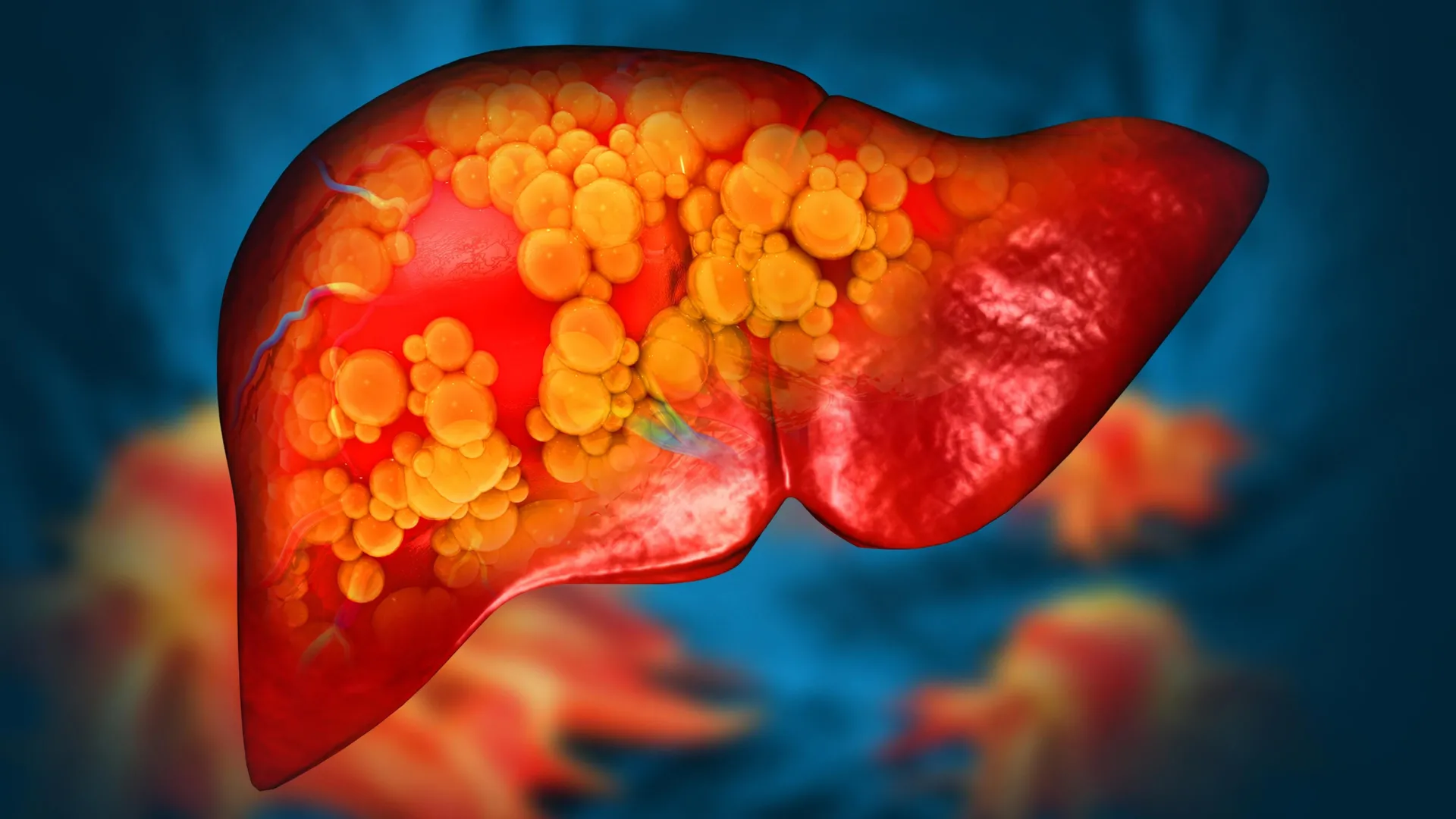
An experimental drug developed at Michigan Medicine reversed a serious form of fatty liver disease in animal studies by acting on an unexpected target: the gut. According to findings published in The Journal of Clinical Investigation, the compound, called DT-109, reversed metabolic dysfunction-associated steatohepatitis, known as MASH, in animal models.
The drug works by reducing harmful gut bacteria, protecting the intestinal lining and keeping inflammatory substances from reaching the liver. In both mice and nonhuman primates, it lowered levels of Clostridium perfringens and reduced ammonia production in the intestines, according to the report.
The results were especially encouraging in the nonhuman primates, whose liver biology and gut microbial communities more closely resemble those of humans than those of mice do. In those animals, DT-109 reduced liver inflammation and lessened the severity of MASH.
How the gut can harm the liver
MASH is a severe form of fatty liver disease in which excess fat builds up in the liver, causing inflammation and cell damage. It affects roughly 7% of the world's population, according to the report. Over time it can progress to cirrhosis, liver cancer and liver failure, and effective treatments remain limited even though options have improved in recent years.
The team's earlier work had shown that DT-109, a glycine-based tripeptide made of three amino acids, could improve MASH in animals. What was unclear was how. The new study points to Clostridium perfringens, a bacterium that produces ammonia in the intestines. Rising ammonia levels can damage the gut's protective inner lining, which normally helps keep harmful substances out of the bloodstream.
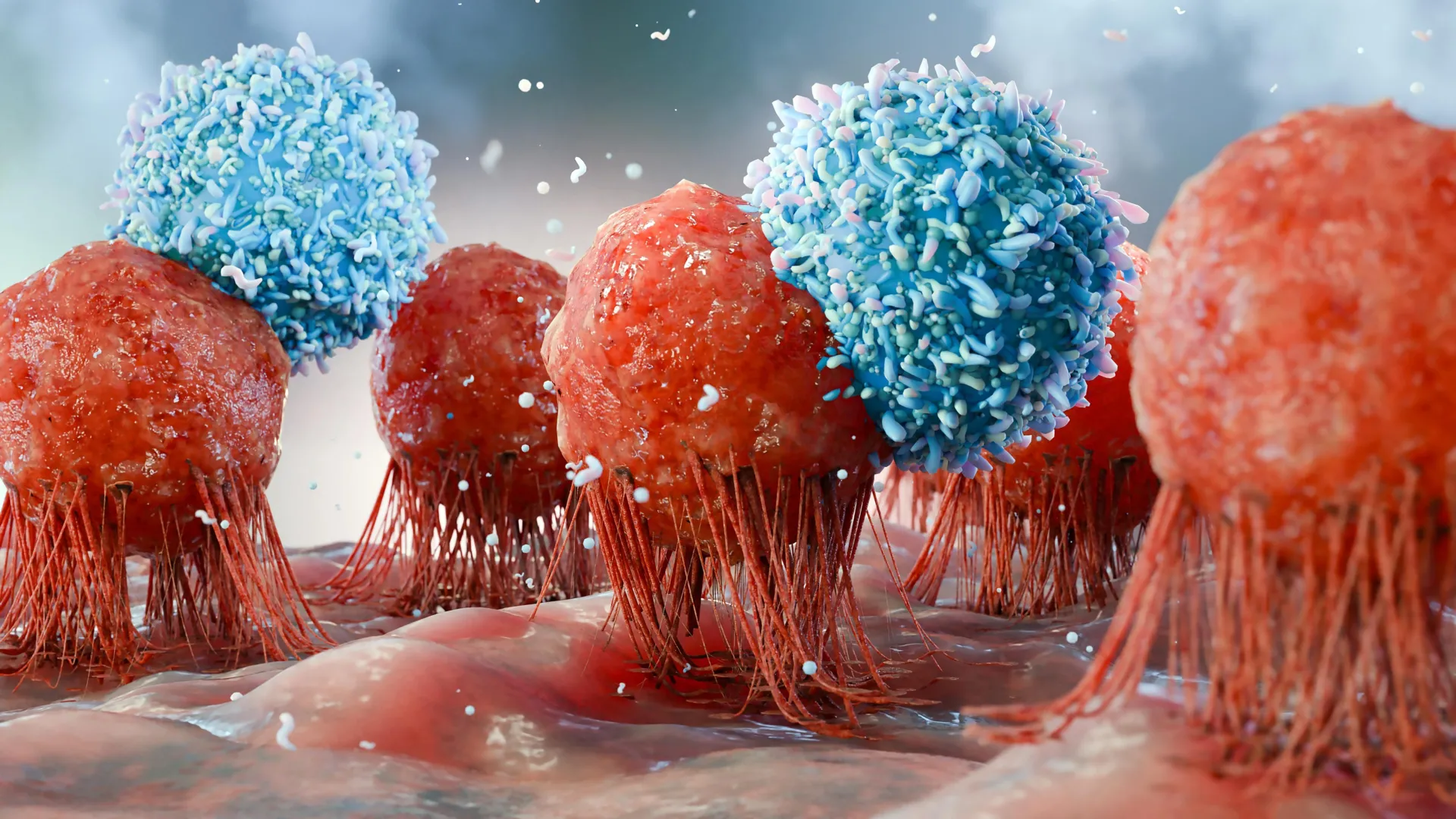
When that barrier weakens, toxins and other products from gut microbes can reach the liver and provoke inflammation. One response involves excessive activation of CD8+ T cells, immune cells that normally help destroy infected or abnormal cells but can add to inflammation when overactive. The findings help explain why a liver disease can be shaped by events elsewhere in the digestive system, a relationship known as the gut-liver axis.
What the scientists are saying
"We see clear evidence that DT-109 protects the gut epithelial barrier, reducing the systemic influx of harmful microbial products that are thought to contribute to MASH development and progression," said Eugene Chen, M.D., Ph.D., the study's senior author and a professor of cardiovascular medicine at the University of Michigan Medical School.
Co-author Jifeng Zhang, Ph.D., said the compound "primarily acts in the gastrointestinal tract, but its reach stretches much further."
Elliot Tapper, M.D., academic director of hepatology at Michigan Medicine, said the study "provides excitement about a therapeutic avenue to explore for a condition that remains difficult to treat." He added that patients need "a safe and effective therapy capable of improving their liver and heart health."
Possible wider uses and next steps
Researchers believe the drug's protective effect on the intestinal barrier could be useful in other conditions involving inflammation and metabolic dysfunction. Earlier research found that DT-109 reduced atherosclerotic plaque formation and prevented vascular calcification in nonhuman primates. The team is also interested in whether it could help people with inflammatory bowel disease, including Crohn's disease and ulcerative colitis, though more research is needed.
DT-109 remains experimental. Its ability to reverse MASH has been shown only in animals, and it is not yet known whether it can safely and effectively produce similar benefits in people. The next phase involves further evaluation of the compound, with the goal of advancing toward clinical trials that would assess its safety, appropriate use and potential effectiveness in patients.
The source material notes that several of the researchers, including Chen and Zhang, are listed as inventors on a patent-related disclosure, though the details are cut off in the text provided.