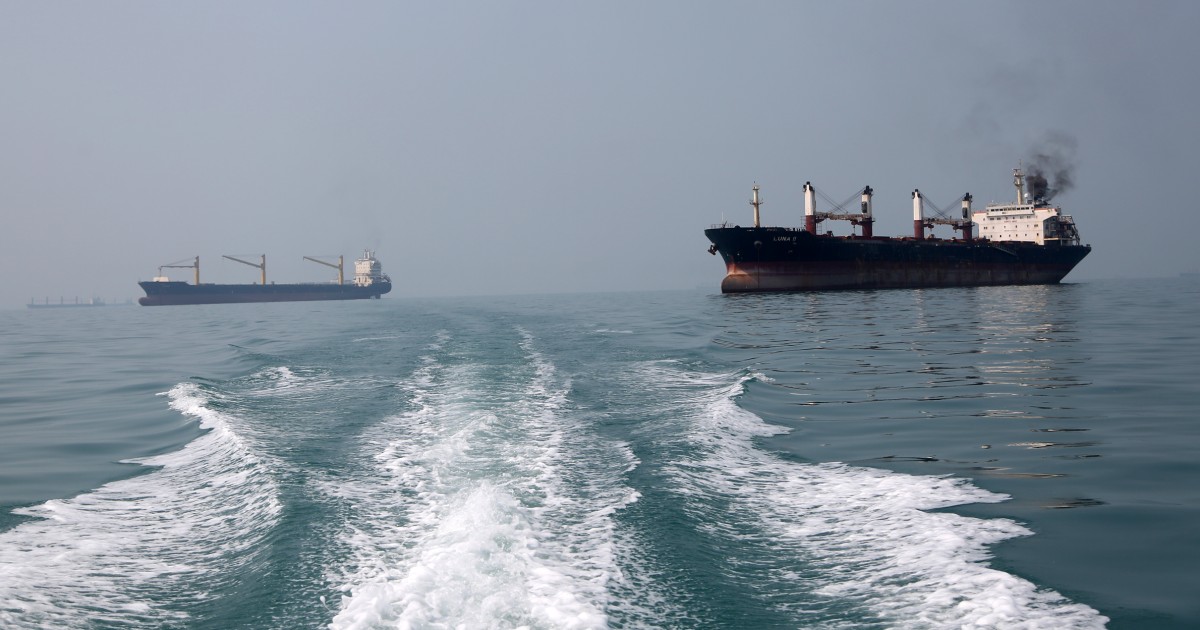
Crude climbs to multi-month highs
Brent crude, one of the most important benchmarks in global energy, rose above $110 per barrel shortly after 2:30 p.m. ET on Friday, according to NBC News. That was its highest level since May. Investors were weighing how both the Iran war and the war between Russia and Ukraine are affecting global energy supplies.
West Texas Intermediate, the U.S. benchmark that also influences gasoline prices, gained 3.5% to close at $101.41 a barrel. NBC News reported it was the first time since September that the contract had crossed the $100 mark, a threshold closely watched by traders and the public.
Stocks fell as energy costs rose. By midafternoon the S&P 500 was down more than 1%, and the Nasdaq Composite had dropped 2%.
Pressure on gasoline and diesel
The price jump is likely to add to already elevated costs for American drivers in the coming days. Regular gasoline averaged $4.32 per gallon nationwide as of Friday morning, NBC News reported. Diesel futures rose more than 1% on the day.
Diesel is a commercial fuel that is critical to farming and other industrial sectors, and its price has climbed faster than that of regular gasoline in recent months. Global fuel prices began a steady rise this spring, after the U.S. and Israel attacked Iran in late February and the Strait of Hormuz was closed, according to the report.
A more recent escalation in the Russia-Ukraine war has pushed diesel even higher. Russia has long been among the world's largest diesel exporters, but Ukrainian attacks on its energy infrastructure have taken much of its refining capacity offline. Russian strikes have also targeted energy assets in Ukraine. Buyers of Russian diesel have had to look elsewhere, yet refineries in the U.S. and Europe are already running near maximum capacity, leaving little room to expand output.
Trump's sanctions gamble
NBC News reported that President Donald Trump is intensely focused on diesel costs because of their role in driving inflation, a top issue for voters ahead of the Nov. 3 midterm elections. He has pressed U.S. allies to release some diesel and crude reserves and recently signed an order easing rules on off-road "red dye" diesel. Neither step produced a significant drop in diesel prices.
This month, Trump then eased U.S. sanctions on Russia, with the goal of letting Russian President Vladimir Putin release supplies to the global market. The move stunned world leaders and drew swift condemnation from lawmakers in both parties, according to NBC News. Although Trump has promoted the arrangement as a way to lower prices, no Russian diesel had been identified as reaching the global market as of Friday.
Congress and analysts weigh in
On Friday, another Russian refiner suspended some crude operations. The Russian Defense Ministry said Ukraine had "attempted a massive attack on the Ryazan oil refinery." Separately, a group of American lawmakers introduced a bill that would block the Russian diesel deal. NBC News said it has little chance in the Republican-controlled House, though polling suggests Republicans may lose their majority in November, making the bill a possible preview of legislation under Democratic control.
Mason Mendez, a global real assets analyst at Wells Fargo, said the bill adds to "growing doubts that a U.S. — Russia diesel deal will come to fruition." He also said investors remain worried about "further military escalation in the Middle East, as attacks on commercial shipping and regional infrastructure have increased in recent weeks." Looking ahead, he said, the need to rebuild depleted global inventories could add demand and keep energy prices elevated for longer.