Why shoppers are uneasy
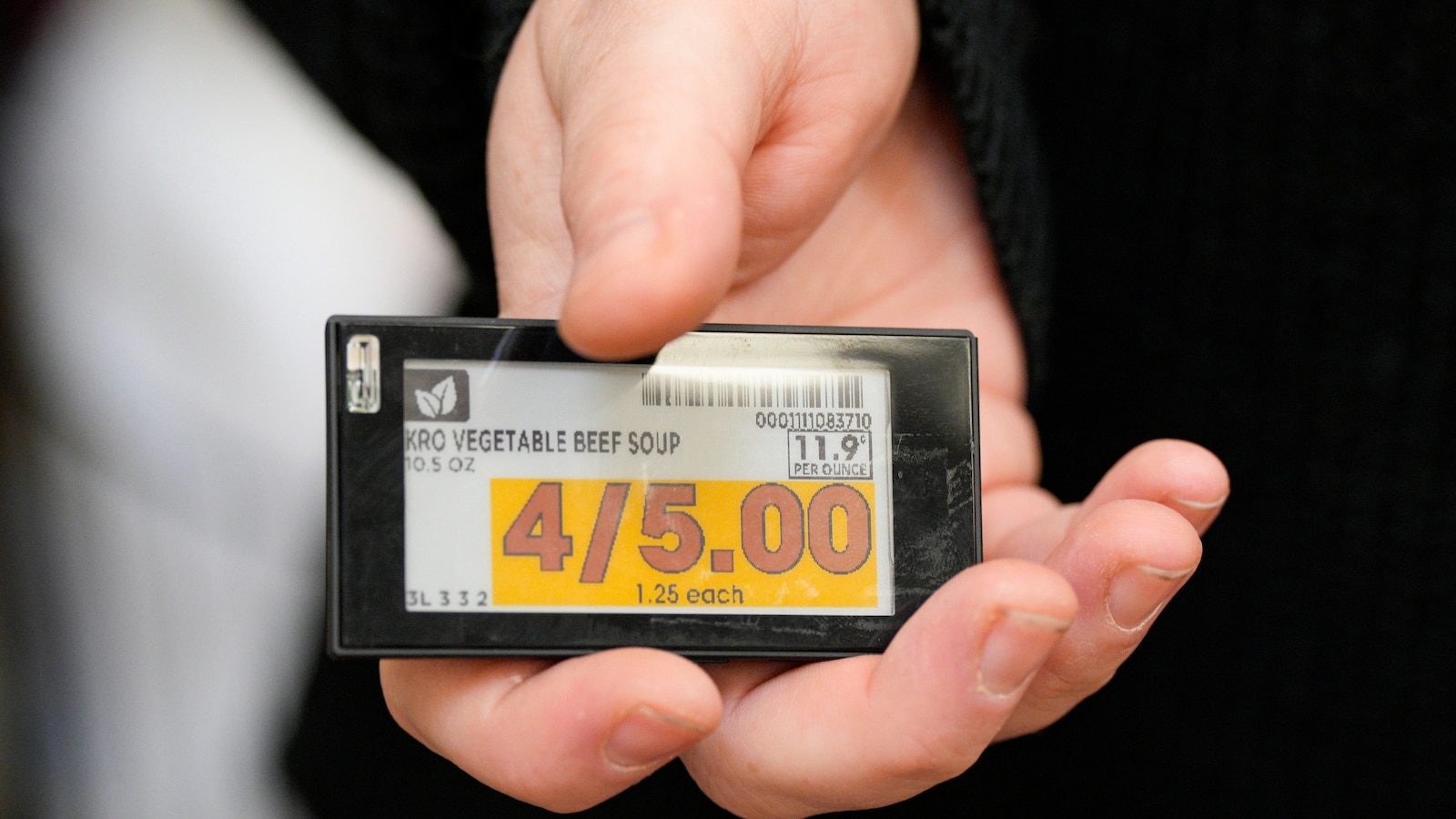
Frustration over high prices is now joined by distrust of how those prices are set, according to ABC News. Electronic tags are replacing paper ones in grocery aisles, and software is helping companies forecast how shoppers will react to a given price. Terms such as "dynamic pricing" and "surveillance pricing" circulate widely online, where users wonder whether two people can be charged different amounts for the same item.
Americans already tolerate prices that move for airline tickets, hotel rooms and rideshares. The idea that ordinary purchases could be shaped by algorithms and by personal information shoppers may not know they are giving up has struck a nerve. Katie Thomas, who leads a consumer behavior think tank at the consulting firm Kearney, described a struggle over who holds the power with these tools: the companies or the shopper.
What retailers and analysts say
Companies using the technology argue that some of the worry comes from misunderstanding. Walmart CEO John Furner wrote in a blog post that digital labels save employees time and keep shelf prices current. He said they are not used to raise prices based on weather, time of day or the individual customer. "We price the product, not the person," Furner wrote.
Thomas noted that companies are not always open about what data they gather or how they use it, which feeds suspicion. She said some social media posts wrongly suggest that Walmart's planned shelf labels scan faces or phones to set individual prices.
Industry experts also say the labels do not automatically mean prices jump when demand rises. Asa Farquhar of the retail technology firm Relex Solutions said grocers generally refresh shelf prices on a set cycle, often weekly, partly because customers like predictability. He called price changes through the day, as airlines and ride apps do, "exceedingly rare" in grocery and general merchandise. Researchers who watched an unnamed grocery chain after it adopted the labels found "virtually no surge pricing." Separately, the web data company Decodo found that about half of the US price changes it logged in 2025 were reductions, a point its Gabriele Vitke said runs against the common belief that dynamic pricing only pushes prices up.
Personalized pricing and AI tools
Personalized pricing means offering different prices or discounts depending on factors such as location, income or browsing history. Some advocates and regulators call it surveillance pricing. How common it is remains unclear. A January 2025 FTC staff report found that firms selling tools for tailoring prices and promotions served at least 250 clients, including grocery and clothing sellers.
Different prices do not always point to personal data. An investigation by Consumer Reports, Groundwork Collaborative and More Perfect Union found that Instacart shoppers saw varying prices for identical items at the same stores. Instacart later ended what it described as tests that placed shoppers into random groups rather than pricing by personal information.
Algorithmic pricing, software that suggests or sets prices, has existed for decades, and AI can help it spot patterns in sales and competitor prices. A survey of more than 2,200 business leaders in 28 countries and 39 industries by the consulting firm Simon-Kucher found that 41% used AI for market intelligence such as tracking rivals' prices, and 28% used it for "real-time price optimization." The National Retail Federation said the approach is a new way of doing what retailers have long done: adjusting prices for supply, demand, seasons and competition.
Lawmakers, regulators and courts
Legislators in at least 30 states have considered pricing bills this year, including some on algorithmic and personalized pricing, according to the National Conference of State Legislatures. Maryland, New Jersey and Connecticut have enacted limits on using shoppers' personal data to set what they pay. The Maryland and New Jersey laws center on groceries and carve out certain loyalty discounts and promotions, while Connecticut's covers a wider range of retail purchases.
The Federal Trade Commission has proposed an enforcement policy warning that failing to disclose the use of personal data for individualized pricing could violate consumer protection law.
Courts have also weighed in. California prosecutors sued Target in 2022, alleging its app showed lower prices before shoppers entered stores and higher ones inside. Target agreed to a $5 million settlement and a ban on using geofencing to raise prices. The company said the app feature was meant to give accurate pricing that can differ by store and channel, and that it did not personalize prices from customer data.
In a 2023 antitrust case, the FTC challenged Amazon's pricing tool known as Project Nessie, alleging it was used to find products whose prices could be raised with rivals likely to follow, producing more than $1 billion in excess profits. Amazon said the allegations "grossly mischaracterize" the tool. A trial is set for next year.