Moscow steps in as Iran's ceasefire offer sits unanswered
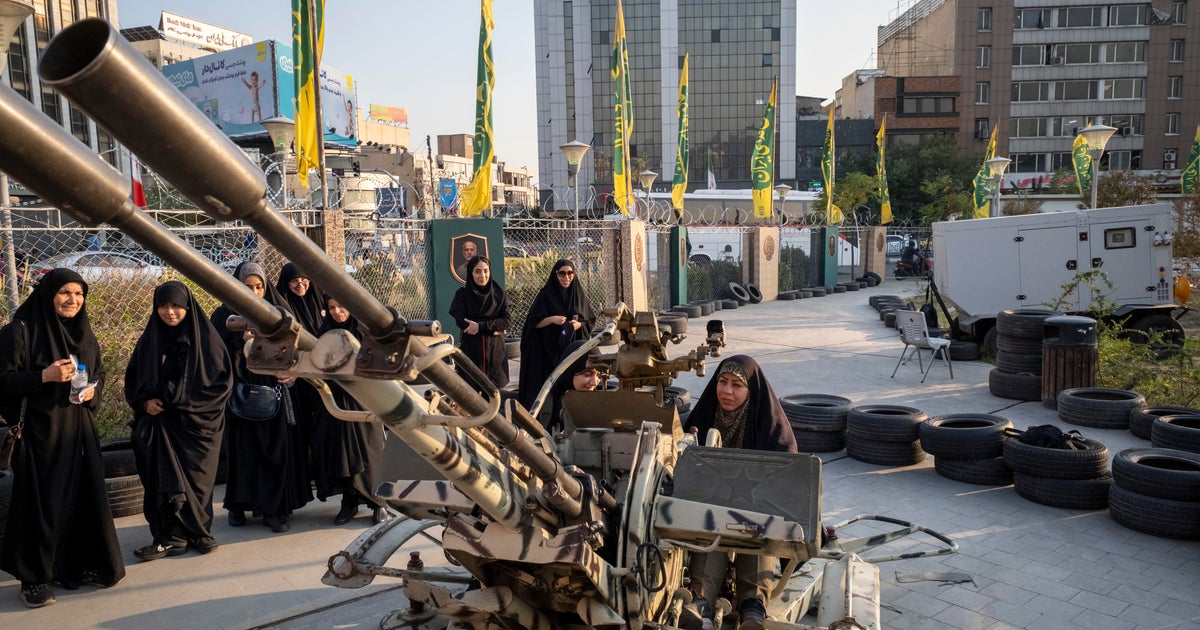
Russian Foreign Minister Sergey Lavrov was due in Tehran on Monday, CBS News reported. It is his first visit since the United States began its war with Iran. He said the talks are "aimed at preventing the return of a large-scale war" in the region.
On Sunday, Iran's foreign minister said Tehran's proposal remains available. It calls for a seven-day ceasefire with the U.S. and a phased reopening of the Strait of Hormuz. In exchange, Washington would lift its naval blockade and its sanctions on Iran. President Trump rejected the plan last month, according to CBS News.
Conditions around the strait remain tense. The U.K. navy counted 10 attacks on commercial vessels in and near the waterway last week. It said October has become the worst month for shipping attacks there since the early days of the war in March. Oil prices stayed above $105 a barrel after approaching $110 over the weekend.
Houthi and Saudi strikes intensify
The Houthi military spokesperson, Yahya Saree, said Monday that the group carried out six operations inside Saudi Arabia over the previous 48 hours. He listed King Khalid International Airport in Riyadh, Aramco facilities in Yanbu on the Red Sea coast, and the Shaybah oil field near the Emirati border. He also named Abha International Airport, the Khamis Mushait air base, a Saudi naval force camp, and radar sites, including one in Bir Askar.
Saree described the attacks as retaliation for more than 200 Saudi strikes and missile attacks on Houthi-held areas in the same period. He said the group would follow a policy of "escalation for escalation" until attacks on Yemen stop. The Houthi-run Health Ministry said Saudi-led forces carried out airstrikes over the weekend that killed or wounded more than 30 people. One strike in Saada province left at least nine dead, including five children and two women, the group said.
Separately, Yemeni military officials said Houthi ballistic missiles hit a camp in southern Shabwa province on Monday, killing at least 53 soldiers and injuring another 200 recruits. The provincial government and the Houthis also acknowledged the attack. One military official, speaking anonymously, said the missiles landed as recruits lined up for training. The provincial government said the toll could climb. It called the strike a serious escalation and urged stronger air defense and early warning systems.
Rashad al-Alimi, head of Yemen's Presidential Leadership Council, promised a "firm response." CBS News described the strike as one of the deadliest since fighting between the Houthis and Yemeni government forces resumed this summer.
Riyadh on alert
Residents of Riyadh received phone alerts on Monday warning of "a hostile aerial threat," and AFP journalists got the messages too. Saudi Arabia's civil defense agency said the National Early Warning Platform had issued a warning for the capital and the nearby Kharj area. The alert was lifted shortly afterward.
A woman in northern Riyadh told AFP she heard explosions and said, "we got used to this." Hours later, the Houthis claimed missile and drone attacks on the city's international airport and other targets across the kingdom.
Economic and diplomatic fallout
The Future Investment Initiative, a major annual conference in Riyadh, has been postponed until 2027. It had been scheduled for Oct. 26 to 29. Its chief executive, Maha Al Saud, said on X that organizers wanted the tenth edition to deliver the "full scale" and "extraordinary quality" attendees expect. She said new dates will be announced soon and existing registrations and partnerships will stay valid. Three sources had earlier told AFP the event would be delayed.
CBS News noted that the conference has long served as a showcase for Saudi efforts to attract foreign investment and diversify an oil-reliant economy. It described the delay as a setback to those ambitions.
In Cairo, Egypt's parliament postponed its debate on President Abdel Fattah al-Sisi's request for authority to provide military support to Saudi Arabia if the kingdom asks for it. Egyptian state media said discussions will resume on Oct. 26. An emergency session on Sunday also ended without a decision. Two lawmakers told AFP that most members backed the proposal. The Egyptian Social Democratic Party, an opposition group, said its bloc would abstain. It said any deployment of Egyptian forces abroad should follow "specific objectives, clear information" and an accurate assessment.