The verdict in Mombasa
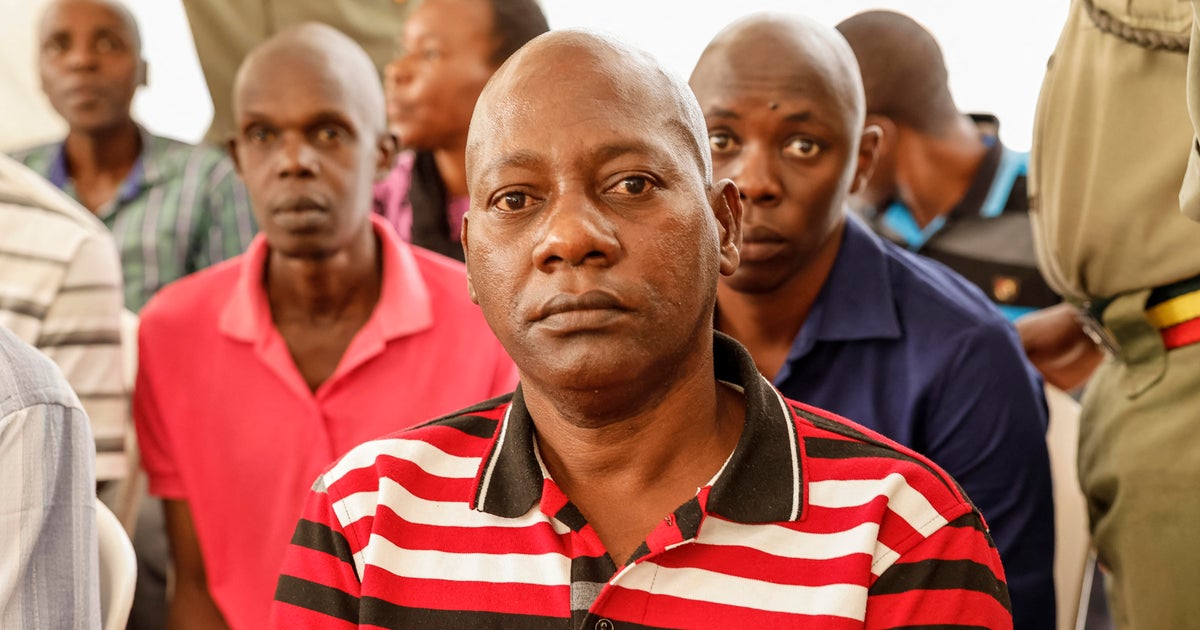
A court in Mombasa on Monday convicted Paul Mackenzie, a self-styled Kenyan preacher, and his associates of murder in the Shakahola cult deaths, CBS News reported. The victims numbered 191, and all but one were children.
The judge said he was "satisfied that the prosecution has proved the case against all the 29 accused persons for the murder of 190 children and one adult." The defendants had pleaded not guilty to 191 counts of murder in 2024.
Director of Public Prosecutions Renson Ingonga welcomed the ruling as "momentous." He told reporters that securing a conviction on counts like these "is not something that comes that easily."
What prosecutors say happened
According to the prosecution, Mackenzie initiated and directed extreme fasting at a ranch of 800 acres in Shakahola Forest, inland from the coastal resort town of Malindi. He allegedly told followers that starving would let them "meet Jesus." Prosecutors described a "structured hierarchy of death" in which children would die first, then teenagers, then women and finally men.
Most of the children died of starvation, prosecutors said, but postmortems and police reports also pointed to "asphyxia, neck compression and traumatic head injury." State pathologists have likewise said many exhumed victims starved while others showed signs of strangulation.
Mackenzie allegedly divided followers into smaller groups given biblical names. It is believed that members of these groups died together and were buried together in mass graves.
The defense and other cases
Mackenzie's lawyers said the case was "largely founded on circumstantial evidence, hearsay accounts and inconclusive forensic findings." He has denied separate charges of manslaughter and terrorism.
In January, he was also charged over another 52 bodies found in a nearby village. The verdict therefore does not end the legal proceedings against him.
How the cult grew and how authorities missed it
Mackenzie was arrested in April 2023 after a rights group alerted authorities and some followers were rescued. Police then uncovered hundreds of shallow graves. The number of bodies grew so large that excavations were paused because local morgues had run out of space.
The Kenya National Commission on Human Rights said in 2024 that the death toll stood at 429. Since the discovery, more bodies of children, women and men have been recovered, and the total is now well over 400. Some victims remain unidentified.
Investigators say Mackenzie was a taxi driver in the early 2000s before founding his church, which he established in 2003. It had branches in Nairobi and along the coast and drew thousands of followers, though he claimed it closed in 2019. Locals say his fiery sermons attracted worshippers in Malindi, and his online presence extended his reach across Kenya.
Surviving members have told relatives that his predictions often seemed to come true, including a warning that "a great virus" was coming shortly before COVID-19 reached Kenya. During the pandemic, as people faced financial and medical hardship, he urged them to leave life's difficulties behind and turn to salvation.
He had been arrested before. In 2017 he faced charges of "radicalization" but was acquitted. In 2019 he was arrested over two child deaths at Shakahola and released on bail.
Families and calls for oversight
Relatives of victims, many of whom traveled to Mombasa from rural coastal communities, attended the hearing. Francis Wanje, 62, lost eight family members, including his daughter and two grandchildren. He told AFP before the session that it was a "very, very important day."
"We are expecting a ruling that will be a lesson to the whole public, so that such kinds of things will not happen again," he said, adding that he was angry at the government's initial inaction.
The fact that Mackenzie had been arrested twice and released has fueled calls in Kenya for tougher regulation of religious organizations.