What the administration announced
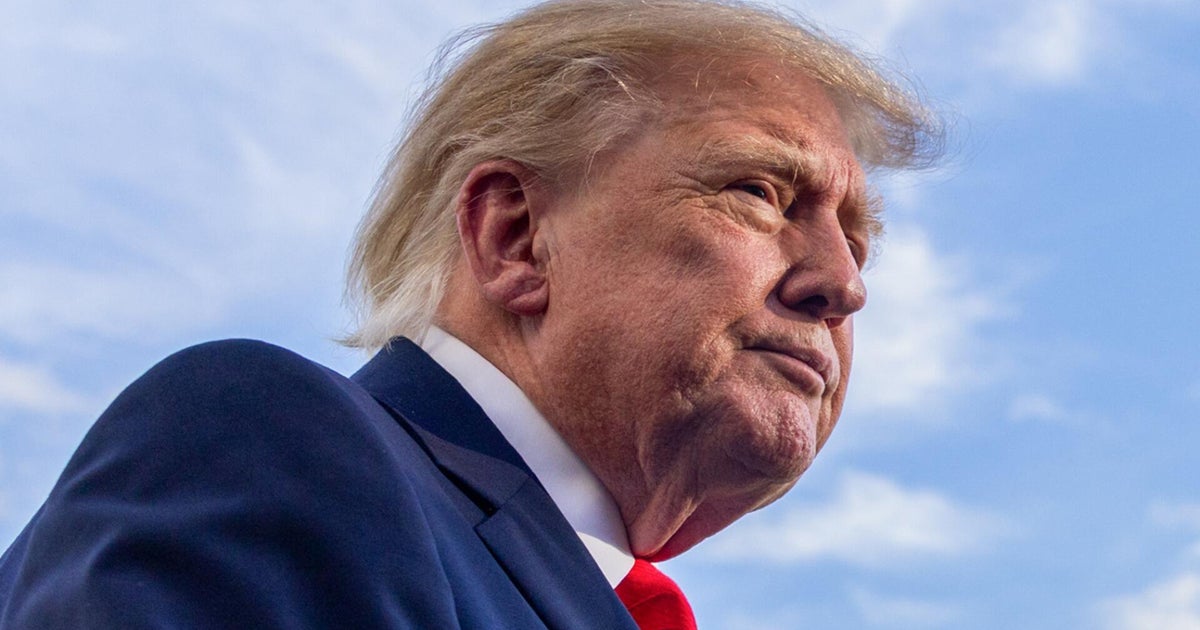
President Trump announced a new federal aid effort for farmers squeezed by fuel costs. Speaking at a rally in Kansas on Monday night, he said the Agriculture Department would launch the Harvest Fuel Relief program, worth $8 billion, to help offset diesel expenses during this harvest season.
Trump also tied the aid to the coming elections. He told the crowd that if Republicans win, more money for farmers will follow, and he added, "We love our farmers."
Agriculture Secretary Brooke Rollins described the money in a statement as a way to "bring certainty to our farmers during this harvest." She said it would let them keep supplying food to the country, according to CBS News.
How the program is expected to work
According to the USDA, the program will compensate growers for a share of their estimated losses for the 2026 crop year, using a standard formula. That calculation draws on the acreage a farmer reported planting to the Farm Service Agency, estimated production costs, and crop yields and prices from the department's World Agricultural Supply and Demand Estimates report.
The agency said it will release payment rates for major commodity crops in November. Details for other eligible products will come later.
Farmers do not need to hold crop insurance to be eligible. The USDA said those who want to be ready can set up a Login.gov account linked to the department.
Fuel costs and farm finances
Diesel powers much of the machinery used in farming, so price spikes hit producers directly. AAA data show diesel reached a record $6.53 a gallon on Sept. 22. It has dipped somewhat since then, and the national average now stands at $6.32 a gallon. A year ago it was $3.62.
The USDA's own forecasts point to pressure on the bottom line. The agency estimates that net farm income will fall 2.6% this year while production costs climb 4.5%. In a September forecast, it said spending on fuel and oil alone is expected to rise by nearly 30%.
The new program is not the administration's first move on the issue. Earlier this month, Trump signed an executive order loosening limits on the tax-free use of red-dyed diesel, a step intended to reduce expenses for farmers and truckers. In December, the administration announced a separate $12 billion aid package for farmers.
Criticism of the approach
Gbenga Ajilore, chief economist at the nonpartisan Center on Budget and Policy Priorities, offered a skeptical view in an email to CBS News. He previously served as a senior adviser in the USDA's rural development office. He said farmers would gain more from an end to the U.S. war with Iran, which would probably bring energy prices down. He added that dropping the administration's tariffs would also ease costs.
Ajilore also criticized the timing and the pattern behind the aid. He said the president's farm aid before the midterms "follows a pattern dating back to his first term." In his description, the administration adopts policies that hurt farmers and then uses taxpayer money to cover the damage.
What comes next
The next milestone is November, when the USDA has said it will publish payment rates for the major commodity crops. Rates and details for other eligible products are due after that. Until then, farmers can only prepare by setting up the required online account.