What the Court did
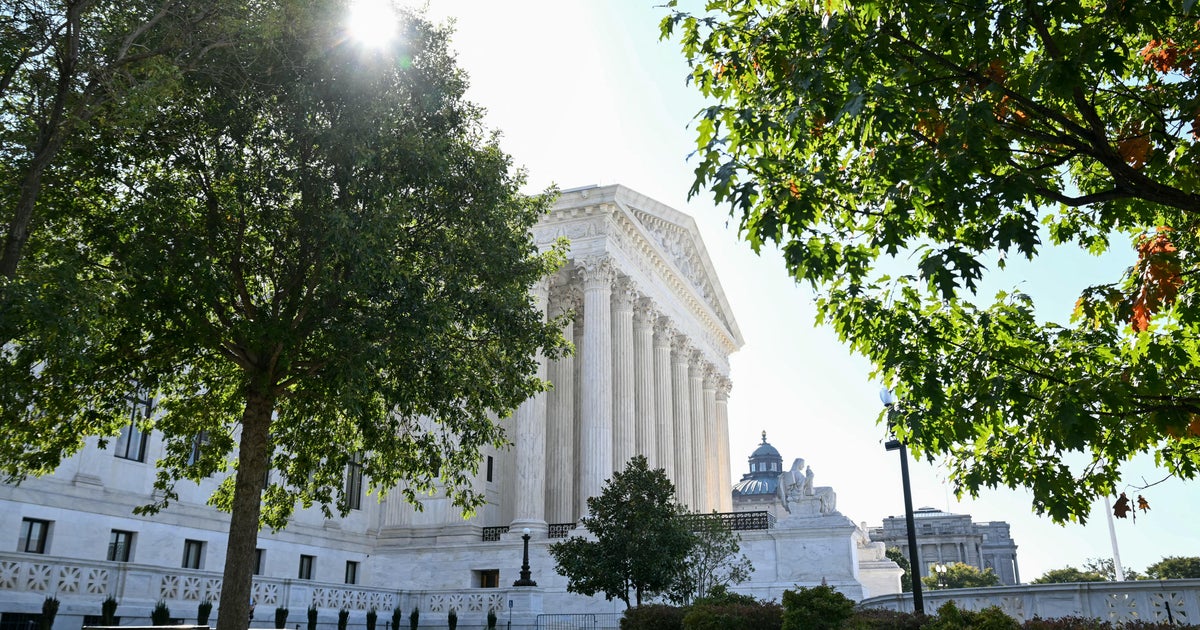
The Supreme Court on Wednesday left in place a lower court ruling that prevents the Trump administration from enforcing a new Bureau of Prisons policy ending certain medical care for transgender inmates, according to CBS News.
The unsigned order was a single line. It rejected an emergency appeal from the Justice Department, which had asked the justices to freeze the district court's order and revive the policy while the case continues. Justices Samuel Alito and Clarence Thomas said they would have allowed the administration to enforce the change.
What the policy would change
The policy would cut off surgical treatments and hormone therapy for inmates who have been or will be diagnosed with gender dysphoria. It would also end social accommodations, including breast padding, binders, wigs and makeup.
The Bureau of Prisons issued the policy in February, following an executive order from President Trump that barred the use of federal funds for medical procedures or treatments for transgender inmates in its custody. Under the rules, inmates already receiving hormone treatment could be placed on a tapering plan that would eventually end it.
In a memo accompanying the policy, the bureau said the change would reflect treatment "more aligned with the latest scientific information" and would account for "complex security and administration concerns in the correctional environment."
The legal fight so far
A transgender woman and two transgender men in federal prisons sued last year on behalf of incarcerated people diagnosed with gender dysphoria. In June, U.S. District Judge Royce Lamberth, a Reagan appointee, blocked the February policy and required the bureau to keep providing medical interventions and social accommodations to a class of inmates. He issued another order in August that kept the block in place.
Lamberth wrote that the court "does not wade into the culture war being waged against transgender individuals," and concluded that the government violated federal law when it issued the policy.
A three-judge panel of the D.C. Circuit declined, 2-1, to lift the injunction. The majority said the bureau "did not adequately consider its own experience providing gender-affirming care under its prior policy" and had not made a strong showing that it was likely to prevail.
Arguments before the justices
Solicitor General D. John Sauer argued that the lower court's decision "prevents the application of the Executive's chosen policy" broadly. He defended the policy's legality and said the bureau had considered its prior experience in concluding that the interventions were not medically necessary and that security and prison-administration concerns independently justified a change. The administration said the policy was needed to "maintain institutional security."
Lawyers for the inmates countered that the bureau has provided hormone treatment since 1992 and that the policy required ending treatment for nearly 1,000 people in its custody. They said the government offered no evidence on whether its own providers found the treatments effective, ineffective or harmful, and that the agency had not "pointed to a single security incident" tied to the care.
They also said the bureau replaced long-recommended treatment with psychotherapy and psychotropic medications, and argued the stated rationales were "contrived" to support the demand in Trump's executive order.
Reaction
Li Nowlin-Sohl, an American Civil Liberties Union lawyer who represented the inmates, called the decision critical for incarcerated transgender people in the federal system. In a statement, she said denying medically necessary care, including gender-affirming care, to people in prison violates their fundamental constitutional rights, and that the group would keep defending its clients and all incarcerated people.