What the justices agreed to review
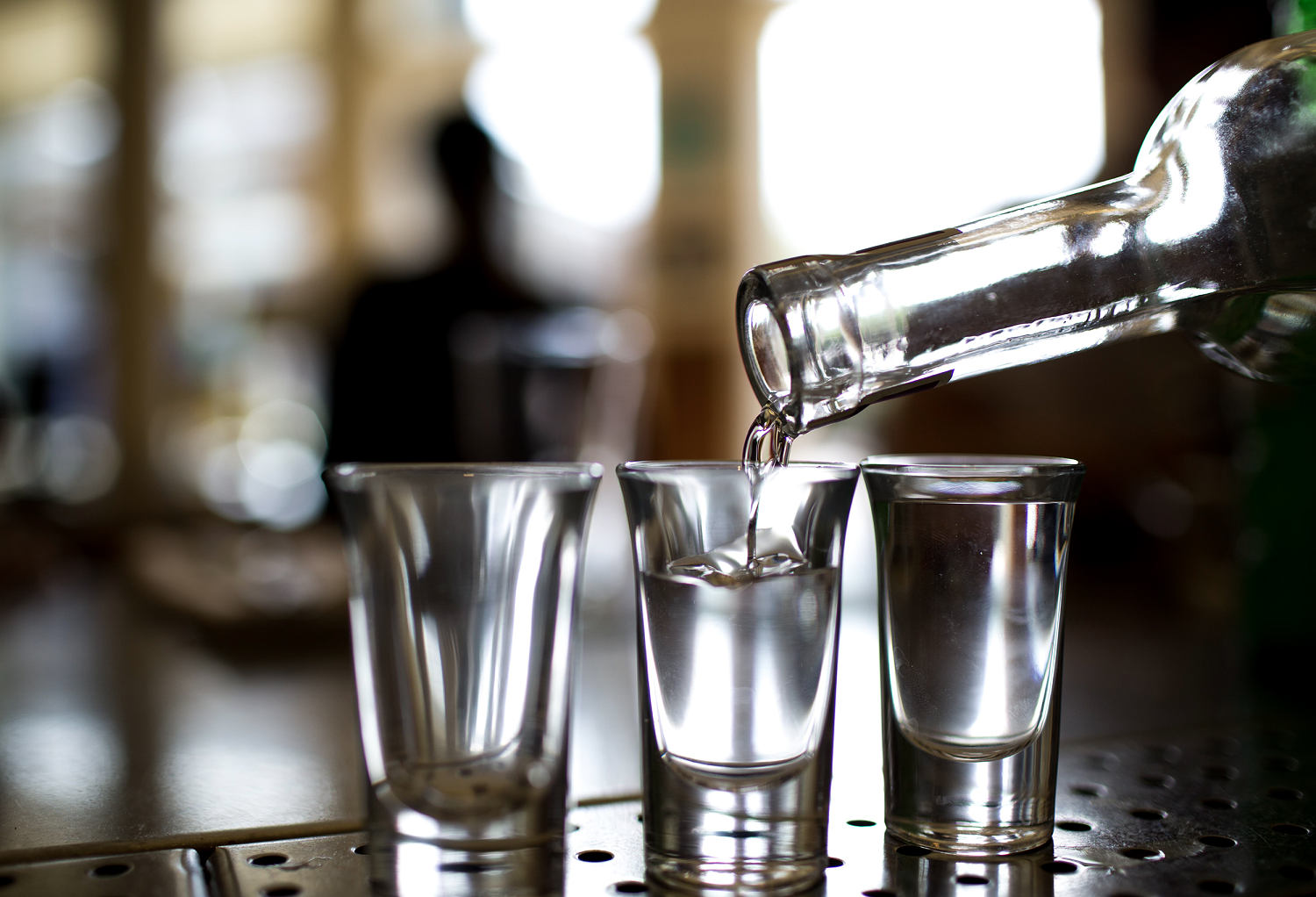
The Supreme Court said Monday that it will take up a challenge to the federal ban on making spirits at home, NBC News reported. The decision could affect hobbyists who want to produce whiskey, gin or other liquor for personal use and who now risk criminal penalties.
Under the current law, offenders can face a fine of up to $10,000 and a prison term of up to five years, according to NBC News. Advocates for legalization hope the court will lift that threat. By contrast, people have long been allowed to brew beer and make wine at home for their own use without penalty.
Origins of the prohibition
Congress enacted the restriction in 1868 as a way to combat tax evasion by people producing liquor. The law forbids distilling spirits in “any dwelling house” or in structures around it, NBC News reported.
The ban has been on the books for roughly 150 years. NBC News noted that interest in home distilling has persisted throughout that time.
Who is challenging the law
The plaintiffs include the Hobby Distillers Association and several of its members. One member, Scott McNutt, owns a home still and has used it to produce alcohol intended for fuel. Another, Rick Morris, runs a business that makes stills suitable for home use.
They filed suit in Texas after the Alcohol and Tobacco Tax and Trade Bureau, a Treasury Department agency, told them it could not grant a license for distilling at home because of the federal prohibition. Their complaint raises several arguments. One is that Congress went beyond its taxing power by adopting a ban that does not actually bring in revenue.
A separate case in Ohio, brought by John Ream, who also wanted to distill at home, advanced similar arguments, according to NBC News.
A split among appeals courts
The two lawsuits ended in contradictory outcomes. The 5th U.S. Circuit Court of Appeals sided with the challengers in the Texas case, while the 6th U.S. Circuit Court of Appeals came to the opposite conclusion in the Ohio dispute, NBC News reported.
Each side that lost appealed, and all of the parties agreed that the Supreme Court should provide a definitive ruling that applies across the country.
The government's position and what comes next
Solicitor General D. John Sauer, who represents the federal government, defended the statute in court filings. He argued that Congress has the authority to limit taxable activities to certain places when there is a significant likelihood that the taxes would go unpaid, according to NBC News.
A victory for the challengers would not give home distillers a free pass. NBC News reported that they would still have to register their stills and pay excise tax on what they make, even if the spirits were only for their own consumption.
The legal landscape is also shaped by state and congressional activity. Several states permit home distilling, including West Virginia, which legalized it in 2024, but NBC News noted that those state laws do not override the federal ban. The situation resembles marijuana, which remains broadly illegal under federal law even though various states have legalized it. Legislation to repeal the federal restrictions has also been introduced in Congress.