What NBC News reported
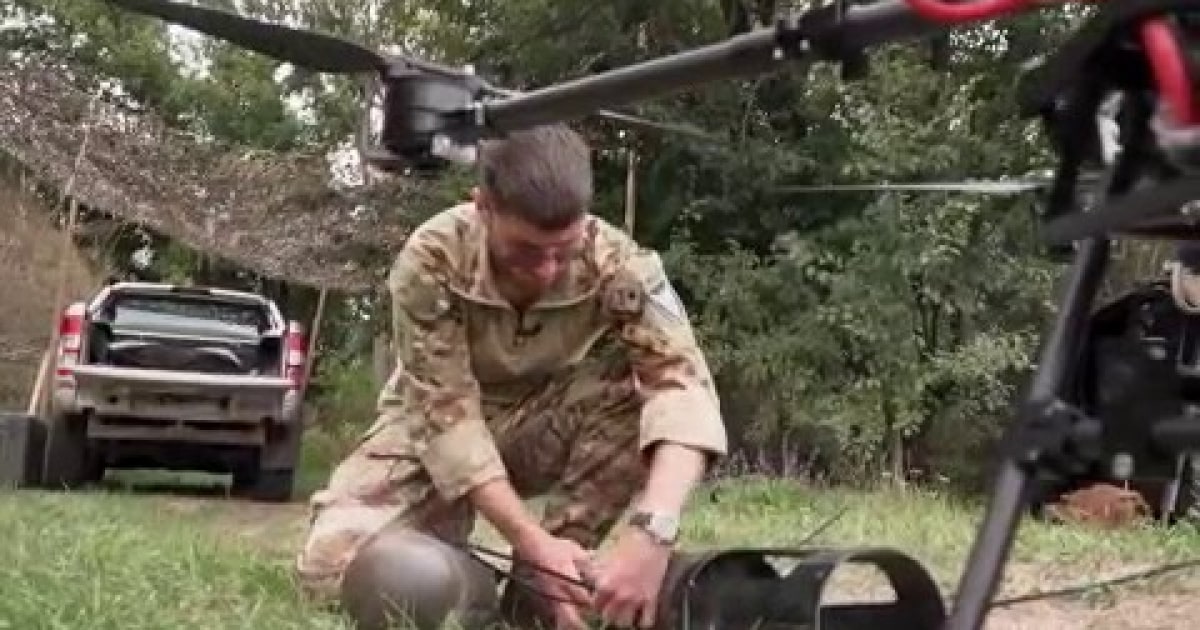
NBC News published a video report on Oct. 17, 2026, taking viewers into what it calls the "Kill Zone," a stretch of territory on the front line between Ukraine and Russia. The network's chief foreign correspondent, Richard Engel, spoke with Ukrainian soldiers who are fighting there and trying to stay alive.
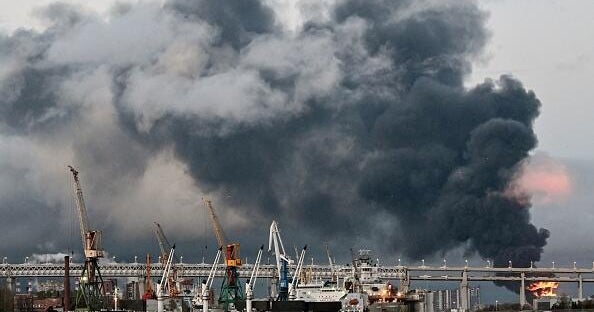
According to NBC, the zone is likely one of the deadliest places on the planet right now. The network attributes that danger to swarms of new, high-tech drones that function as killing machines. The report presents the area as a showcase of what the network describes as a new era of warfare.
How big the zone is
NBC describes the Kill Zone as running the length of a front line that extends about 750 miles. The band itself is described as roughly 20 miles across. Taken together, that is a very large area in which, by NBC's account, movement and exposure can bring lethal risk from the air.
The source material is a short video summary rather than a full transcript, so it does not detail casualty figures, the types of drones involved, or the specific units Engel met. Those particulars are not available here, and this account does not go beyond what NBC has made public.
A different kind of battlefield
The report's central theme is that drone technology has changed how soldiers fight and how they survive. Traditional front lines, with trenches, artillery and armor, have been joined by small unmanned aircraft that can watch troops and strike them. In NBC's framing, swarms of these systems turn a wide belt of land into a place where staying hidden and staying alive are constant challenges.
That emphasis reflects a broader pattern that has been widely observed during the war in Ukraine: both sides have leaned heavily on inexpensive, adaptable drones for reconnaissance and attack. NBC's report puts a human face on that trend by focusing on the troops who live with the threat daily.
Other developments in NBC's coverage
The page hosting the video also lists other recent NBC video reports on the conflict. Their titles point to several storylines, including Ukrainian strikes on Russian oil refineries, disputes over Starlink restrictions that Ukraine said disrupted military operations, and diplomatic contacts involving a US envoy. Other titles refer to Russia's first parliamentary election since the war began and to drone attacks escalating on both sides.
These headlines are only titles in a playlist, and the source gives no details about them. They do show that the report on the Kill Zone sits within a wider body of coverage in which drones, energy infrastructure, communications technology and diplomacy are all prominent.
What to watch
The source does not say whether the situation along the front is shifting or what military or political steps might follow. What it does make clear is NBC's assessment that, for Ukrainian soldiers in this belt of land, drone swarms are a defining danger.
Readers looking for more detail can turn to the full NBC News segment, in which Engel speaks directly with the soldiers about their experiences.