Carney's closing message in Edmonton
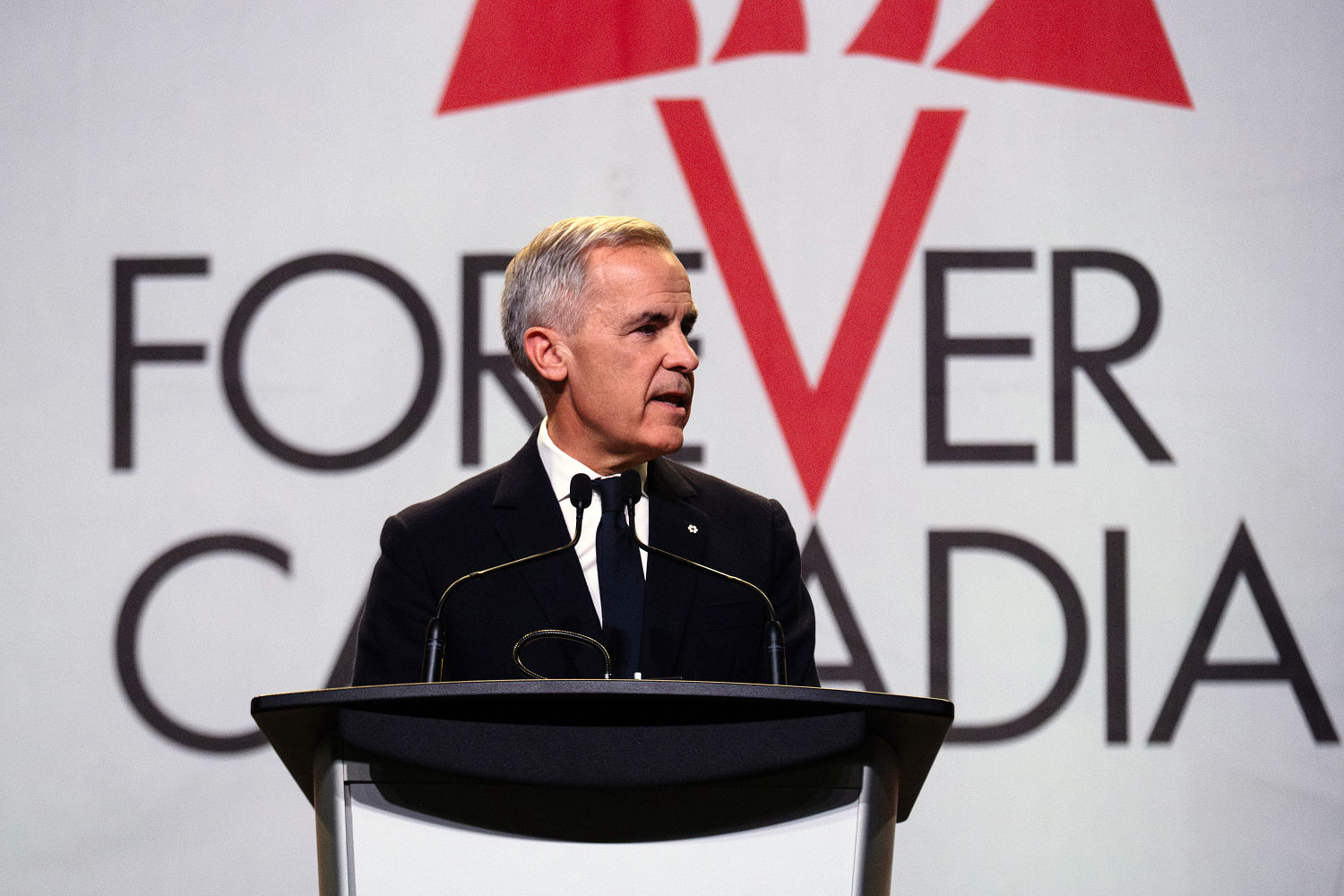
Prime Minister Mark Carney made his final appeal on Friday to Alberta voters weighing a path toward independence, NBC News reported. Speaking at a pro-Canada rally in Edmonton, the city where he grew up, he called the referendum a dangerous gamble at a time of growing threats to Canadian sovereignty.
Carney pointed to U.S. President Donald Trump's trade war and his threats to make Canada the 51st state. He said the vote comes at the "worst possible time." He also urged Albertans not to assume the result is settled. "Don't let anyone tell you this is already decided. Turnout will determine the outcome," he said.
"This is not a game. This is not poker. A vote against Canada is a dangerous bluff that will lead to years of deep uncertainty and lost opportunities for Albertans and Canadians," Carney said. He repeated a warning he had made a day earlier in Calgary: "Some outside our borders are working to break us so they can own us. Never. Never."
What Albertans are actually voting on
Monday's vote is not a direct referendum on independence. Alberta, which holds most of Canada's proven oil reserves and the fourth largest in the world, will decide between two options. Voters can choose to remain a province, or they can instruct the government to begin the legal process toward a future referendum on separation.
Carney's Friday appearance capped two days of campaigning against separation in the province. According to NBC News, the crowds at his Calgary and Edmonton rallies applauded loudest when he spoke about reducing Canada's economic dependence on the United States.
An unusual show of unity
Earlier Friday, Carney, a Liberal, appeared in Red Deer with Alberta's conservative premier, Danielle Smith. Smith credited him with improving relations with a province that often clashed with his predecessor, Justin Trudeau, over the carbon tax and other energy policies. "I think what we can agree on is that we have had some real change in the last 18 months," she said.
Smith noted that Carney grew up in Alberta and remains an Edmonton Oilers fan. "He can't be all bad, right?" she joked. She said Carney had substantially addressed seven of nine federal laws that Alberta opposed, and she cited cooperation on a proposed oil pipeline. "For the first time in a long time, Alberta and Canada are walking together," she said.
Carney's chief political rival, federal Conservative leader Pierre Poilievre, also urged Albertans on Friday to stay in Canada. "Don't leave your fellow Canadians behind. Lock arms with them," he said.
Skepticism on both sides
Carney acknowledged Alberta's long-standing resentment of federal energy policy. "Growing up, I remember how Ottawa made Albertans feel like our resources weren't our own," he said. He also stressed his ties to the province, saying, "Alberta is my home. I grew up here."
Smith called the referendum even though she opposes independence. She recently cited a poll showing 22% of Albertans support separation, a figure she said is still too high. NBC News reported that she also faces pressure from separatists inside her United Conservative Party. Former Premier Jason Kenney said the movement gained influence in the party as activists angry over COVID-19 restrictions, some influenced by conspiracy theories, embraced separatism.
Some Albertans who want to stay in Canada are unhappy that the vote is happening at all. Deb Lee, a retired Calgary resident who voted in advance to remain, called it "a travesty really" to put the province and country through the process when "such a small portion of people are rabble rousing." Outside the Edmonton venue, independence supporters waved flags and held a sign reading "Say no to Carney's new world order." Independence advocate Tanya Clemens dismissed the agreements between Carney and Smith as "basically pinky promises" that came with too many conditions.
Other questions on the ballot
Carney and Smith remain divided on nine other questions on Monday's ballot, which involve immigration and provincial powers. Smith wants voters to approve them, while Carney has urged their rejection. The outcome of those questions, along with the main vote on Alberta's status, will be known after voting on Monday.