What Dench said
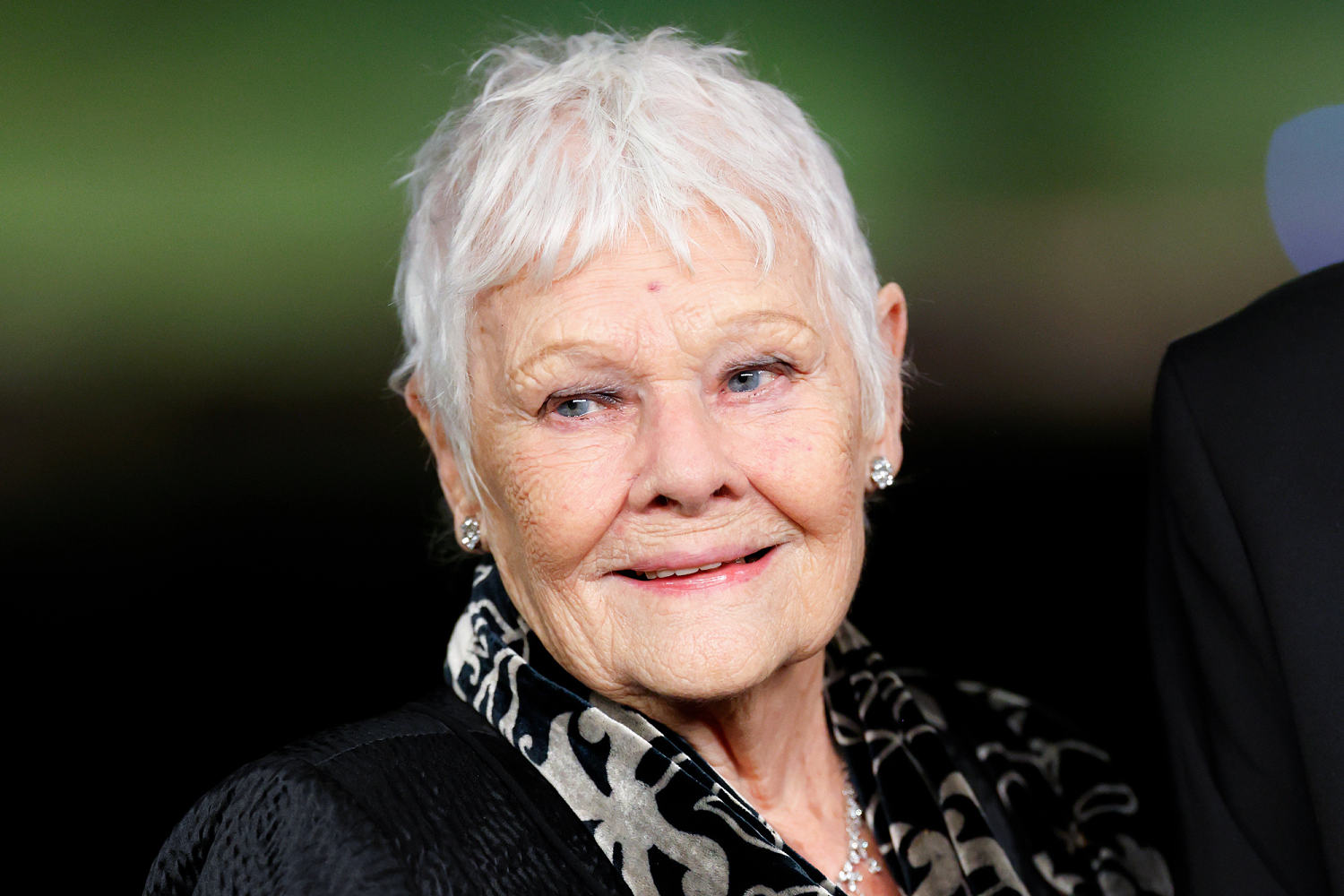
Judi Dench has said that a worsening eye condition has ended her ability to work as an actor and to read. The Oscar-winning British performer, 91, spoke on BBC Radio 4's "Today" program on Thursday, according to NBC News.
"I can't be on stage. I can't do a play anymore. I can't do a film anymore. I can't read anymore," she told the program. The comments come more than ten years after she was first diagnosed.
Dench said she has to "make allowances" for the condition, which has grown worse over time. Her approach, she said, is to "just get on and don't think about it too much."
A condition that has progressed since 2012
Dench was diagnosed with age-related macular degeneration, or AMD, in 2012, NBC News reported. The eye disease makes it hard for people to see what is directly in front of them. It affects central vision, which is used for tasks such as reading and recognizing faces, and it is more common among older adults.
She has spoken publicly about the condition before. In 2024, she told NPR's "All Things Considered" that it had worsened and was affecting her ability to work. She also discussed it that year with "CBS Mornings." In that interview she said that, in the great scheme of things, the condition did not matter.
Her latest remarks go further than those earlier interviews. She now describes being unable to perform on stage or on screen, and unable to read.
Reflections on aging
BBC presenter Emma Barnett asked Dench how aging is going. Dench answered with one word: "Rubbish." She went on to say, "There's nothing to say for it at all."
She added that she does not think much about the idea of aging, a stance that fits with her wider comments about carrying on without dwelling on the condition.
Advice drawn from a long career
Dench is one of Britain's most revered actors. Her decades-long career spans film and theater, and she is especially well known for her work in several Shakespearean plays, NBC News reported.
Asked what advice she would give her younger self, she said that taking risks is good. She cautioned against parts that other people say are a natural fit. "If people say, 'Oh, this is so like you, you've got to play it,' no, that's not the one to play," she said. Of the work she did choose, she said: "For me, always frightening, but that's part of it."
She closed with a broader reflection. "Use the energy, but, just don't ever take it for granted. ... It's always work in progress. Always," she said.