What the administration announced
President Trump said Thursday that his administration will invoke the Defense Production Act to spend $150 million on increasing gasoline and diesel production in the United States. It is the latest administration effort to bring down fuel prices, according to CBS News.
A White House official told CBS News the announcement followed a meeting between Trump and refiners about immediate steps to bring more capacity online. In a press release, the Department of Energy said the funding will raise U.S. refining output by millions of gallons per day and lower prices for Americans.
The official also said the money will help expand capacity and modernize existing infrastructure, which the official described as much faster than building a new refinery.
The law and the price backdrop
The Defense Production Act was passed in 1950, during the Korean War era. It lets a president use loans, purchase commitments and other tools to encourage production of critical materials and goods. CBS News noted that it was first aimed at national defense supplies, but Congress has since widened its use to cover natural hazards, terrorist attacks and other national emergencies.
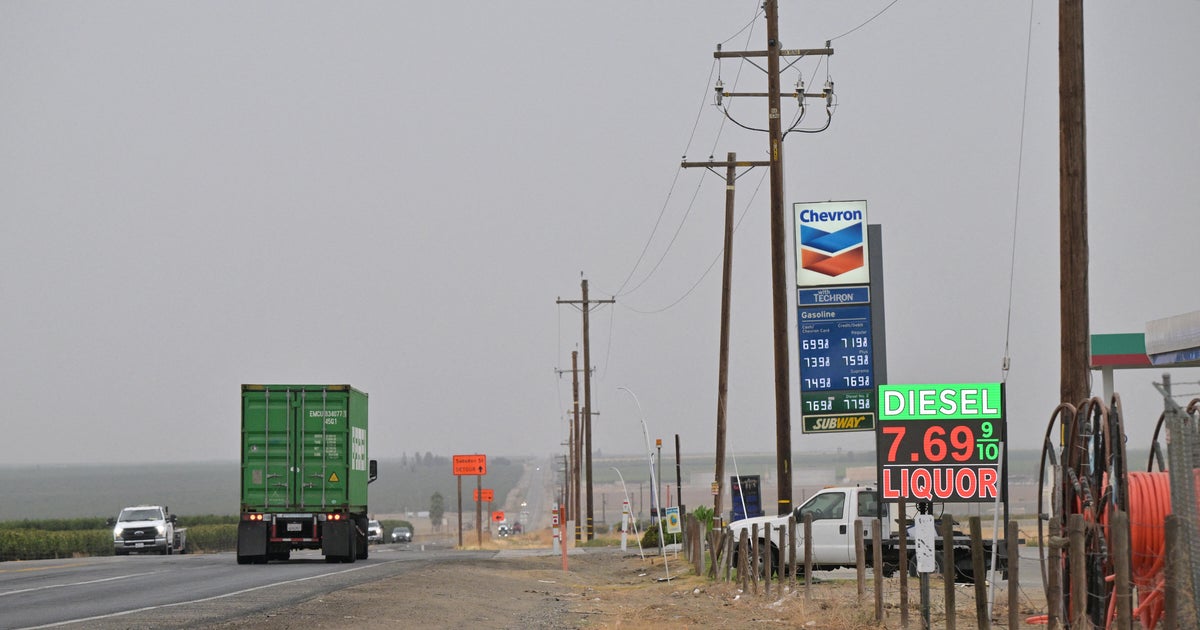
Drivers have been feeling the pressure. Gasoline has averaged more than $4 a gallon over the last three months, according to the Energy Department. On Friday, AAA put the national average at $4.29 for gasoline and $6.32 for diesel, increases of 40% and 74% from a year earlier.
Crude has also been rising. Brent crude, the international benchmark, was $116 a barrel on Friday, up 2.6%, while West Texas Intermediate, the U.S. benchmark, was around $103, up 3%. Crude reached its highest level this week since May. CBS News reported that polling shows most Americans are pessimistic about the economy amid a growing affordability crunch.
Why experts are skeptical
Analysts told CBS News the move is unlikely to change what people pay at the pump soon. "I don't think that's really going to have any impact," Patrick De Haan, a petroleum expert at GasBuddy, said in an email to the outlet.
Tom Kloza, chief energy adviser for Gulf Oil, said the funds could speed up some refining expansions, but he did not expect short-term benefits. "There is no slack in U.S. refining, so production can't be added regardless of political will," he said. Kloza added that bringing units back into service typically takes months and calendar quarters.
The American Fuel & Petrochemical Manufacturers, which represents refiners, said it appreciated the administration's focus on refineries. A spokesperson said in an email that the country's 128 operating refineries "are running all-out to keep Americans supplied and the global economy moving despite major disruptions and actual fuel shortages in other parts of the world."
A global market, not just a domestic one
CBS News noted that the United States produces more fuel than it consumes, but oil prices are set on the global market. There, the Iran war and the Russia-Ukraine conflict have disrupted shipments and pushed prices higher.
According to figures experts have cited, the U.S. produces about 5.3 million barrels per day of distillate fuel oil, a category that includes diesel, while consuming about 3.6 million. It makes 9.5 million barrels of gasoline daily against 8.9 million consumed domestically. Kloza told CBS News the country exports about 1.4 million barrels of diesel per day.