What the justices will weigh
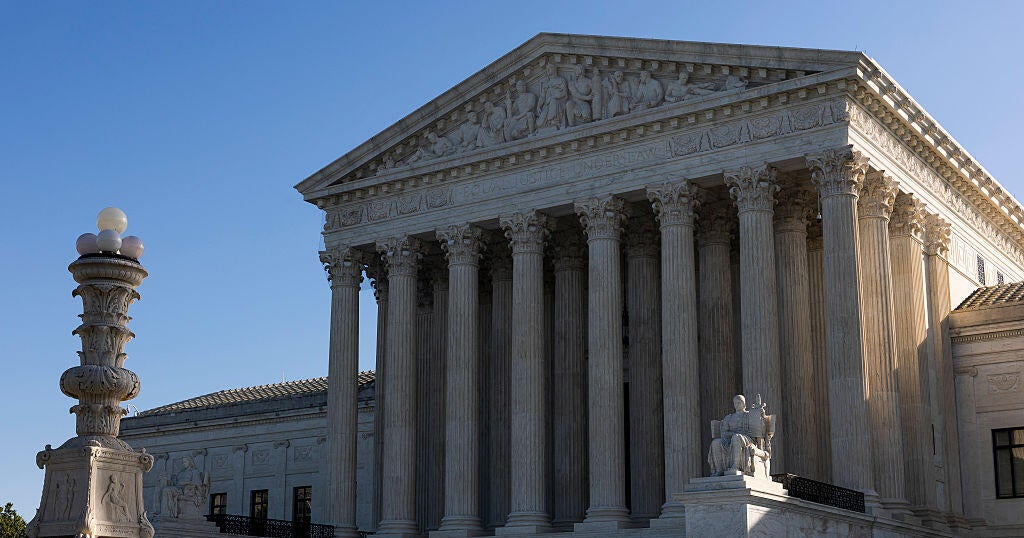
The Supreme Court is scheduled to hear arguments Tuesday in a case that asks whether Colorado may exclude Catholic schools from its universal preschool program. The schools refuse to enroll children from families that do not adhere to the church's teachings on marriage and sex, according to CBS News.
The case, St. Mary Catholic Parish v. Roy, is the latest clash between religious liberty claims and efforts to protect gay and transgender people from discrimination. CBS News reported that a win for the Catholic plaintiffs would add to a series of recent rulings in which the court, which has a 6-3 conservative majority, sided with religious institutions excluded from state programs. Such a ruling could open the door to more public money flowing to religious schools.
How Colorado's program works
Colorado voters approved a ballot measure in 2020 to fund a program intended to make preschool "widely available for free" to all 4-year-olds in the state. Families are reimbursed for 15 hours of preschool a week, which amounts to more than $6,000 a year. The state estimates roughly 40,000 children are eligible, served by nearly 2,000 providers.
The program uses a mixed-delivery model, so public, private, faith-based and secular preschools can all participate if they sign a contract and meet state quality standards. The law also bars participating schools from denying eligible children an "equal opportunity to enroll" based on factors including religious affiliation, sexual orientation, gender identity, income level or disability.
The Catholic providers' case
The Archdiocese of Denver, which oversees 34 Catholic preschools, raised concerns during implementation that it could not comply without compromising its beliefs. The providers asked for a religious exemption because they admit only families who align with church teachings. The state refused. It told the Archdiocese it could give enrollment preference to its members but could not "discriminate against children or families in violation of state statute." The program's regulations now no longer let faith-based providers limit enrollment to congregants, and none of the Archdiocese's preschools participate.
In August 2023, the Archdiocese, two parishes with preschools and parents of preschool-age children sued, arguing that the exclusion violates the First Amendment's Free Exercise Clause. They rely on a 2022 Supreme Court decision holding that Maine's exclusion of religious schools from a tuition-assistance program violated the First Amendment. They also contend Colorado treats religious conduct worse than secular conduct, because it lets some providers prioritize children from low-income families or with disabilities. They say more than 1,000 preschools benefit from such exceptions, and that some providers may give preference to children of color or from LGBTQ families.
Lawyer Amanda Dixon of the Becket Fund for Religious Liberty, which represents the plaintiffs, said the program "was sold to them in Colorado as being universal." Plaintiff Lisa Sheley and her husband estimate they have lost about $24,000 in reimbursements. Another parent, Erika Nagle, said the program would have saved her family around $18,000.
Colorado's response and the lower courts
Colorado officials say religious preschools that participate may teach and set curricula according to their faith. They must only follow the same equal-opportunity mandate as every other provider, which the state says "requires all preschools — secular and religious alike — to deliver publicly-funded services without excluding families based on protected-class status." The state argues the Catholic schools want public funding while keeping the ability to turn away students because of their or their parents' sexual orientation or gender identity.
A federal district court ruled for the state, finding that the sexual orientation and gender identity provisions are neutral and apply generally to participating providers. The 10th U.S. Circuit Court of Appeals upheld that decision. The Trump administration is supporting the Catholic plaintiffs at the Supreme Court.
The plaintiffs argue the exclusion should face the strictest judicial scrutiny and that Colorado has not shown a compelling interest. Scott Skinner-Thompson, a University of Colorado Law School professor, said that when a state puts its stamp on a program and a participant can say "You don't belong," that "communicates something."