Warnings from Tehran and Washington
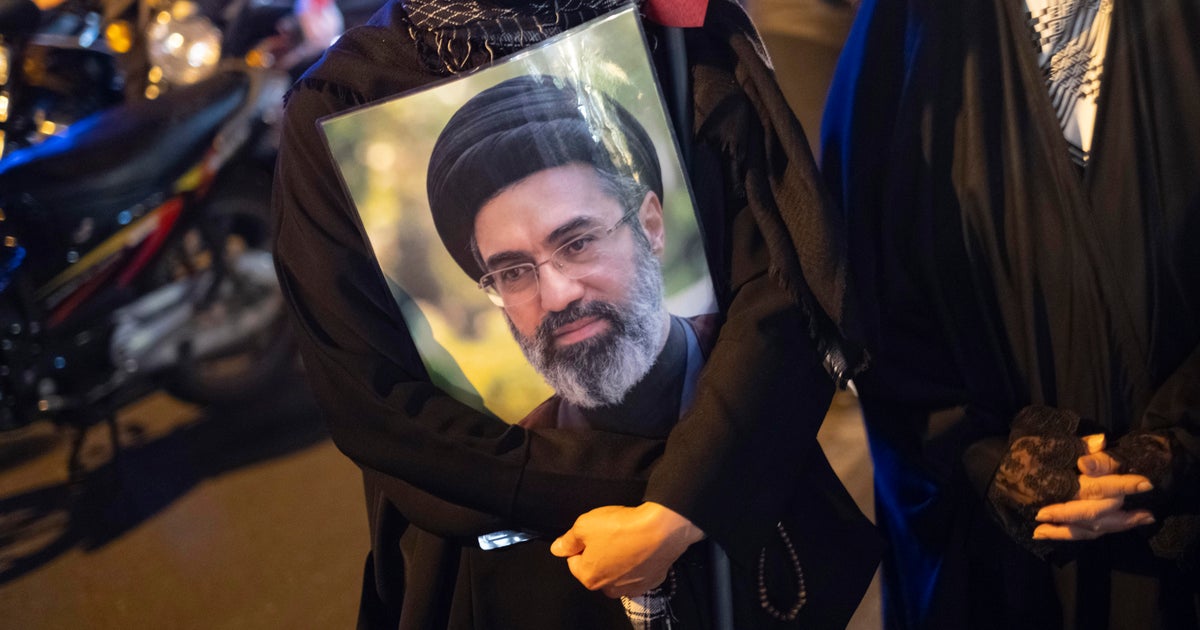
Iranian Supreme Leader Mojtaba Khamenei warned the United States and Israel on Saturday not to restart the war, according to CBS News. The statement comes after weeks of heightened tensions and threats from both sides. He said Iran's attacks would face no geographical limits if the conflict resumes.
Secretary of State Marco Rubio said Saturday that no decision has been made on whether to renew military action. President Trump said Friday that the war is "going to end soon," but he did not say how. Qatari mediators have returned to Tehran to press for a peace deal that Iran and the U.S. are still negotiating.
What Rubio said
Speaking at a G20 press conference in Atlanta, Rubio said the president had not made a choice on new strikes while peace talks are stalled. "We can achieve military objectives if we seek to. He hasn't made a decision," Rubio said, adding that the administration does not take any of it lightly.
He said the U.S. has the capability to act if needed. "But we would prefer to do it peacefully," he said. Rubio would not say whether progress had been made in recent days, and he said there is no timeframe for talks between the U.S. and Iran through intermediaries.
Rubio repeated that the main U.S. objective is to prevent Iran from obtaining a nuclear weapon. He also criticized what he described as Iran's position that it would destroy ships and the energy infrastructure of its neighbors and the region unless it gets what it wants. "That's not normal behavior, but we are there to help protect against it," he said.
Nuclear doctrine and the diplomatic track
Mohsen Rezaei, who leads Iran's Supreme National Security Council and who Vice President JD Vance engaged with a peace proposal last weekend, told the official outlet IRNA that Iran has made no new decision on changing its nuclear doctrine. He acknowledged internal discussion about whether to keep the previous doctrine if war breaks out again. He also said he has not yet responded to Vance's letter outlining some U.S. positions for peace talks.
Iran has said many times that it never tried to enrich uranium to weapons grade, a claim the U.S. and Israel largely dispute. Iran's nuclear sites were hit repeatedly in U.S. and Israeli strikes last summer and in renewed fighting this year, and CBS News reported it is unclear what capabilities remain.
Foreign Minister Abbas Araghchi told Al Jazeera, according to IRNA, that there are currently no plans for meetings with American officials. He said Iran sees no need to meet them now, that its conditions are clear, and that mediators are continuing consultations. Qatari and Pakistani mediators met in Doha on Saturday with an Iranian delegation present.
Strait of Hormuz and the blockade
U.S. Central Command said its blockade has now redirected 144 vessels. Two weeks ago it reported 138 and had given no update since. Treasury Secretary Scott Bessent posted on X that the U.S. has taken out 1.5 billion barrels of oil, without giving a timeframe. He said transit levels are back to pre-conflict levels minus Iranian barrels.
CBS News reported that the U.S. has spent several months guiding tankers out of the Persian Gulf under military escort for ship-to-ship transfers in the Gulf of Oman. It described the effort as expensive and open-ended.
Iran's navy, according to the semi-official Fars News Agency, said an oil tanker caught fire after striking sea mines in a prohibited area in the east of the strait. The report could not immediately be verified. Iran has claimed nearly 10 ships have hit mines along the Omani coastline, a route the U.S. favors and Iran considers off limits. The U.K. Marine Trade Operations Centre counts 81 attacks on ships in the strait since July 6, 59 of them on the southern route.
Damage to U.S. bases
An Associated Press analysis found that Iranian strikes on U.S. sites in the Middle East caused billions of dollars in equipment damage. The AP used satellite imagery and interviews with four regional officials. It found more than 115 drone or missile strikes through August, claimed by Iran or Iranian-backed militias, that damaged or destroyed structures at 26 bases and other sites.
The attacks first targeted early warning systems and aircraft hangars before hitting warehouses and troop housing, the AP reported. Most strikes hit Kuwait, where Ali Al Salem Air Base was struck at least 30 times. Two regional officials told the AP the U.S. has moved many assets out of the Persian Gulf.