What the lawsuit alleges
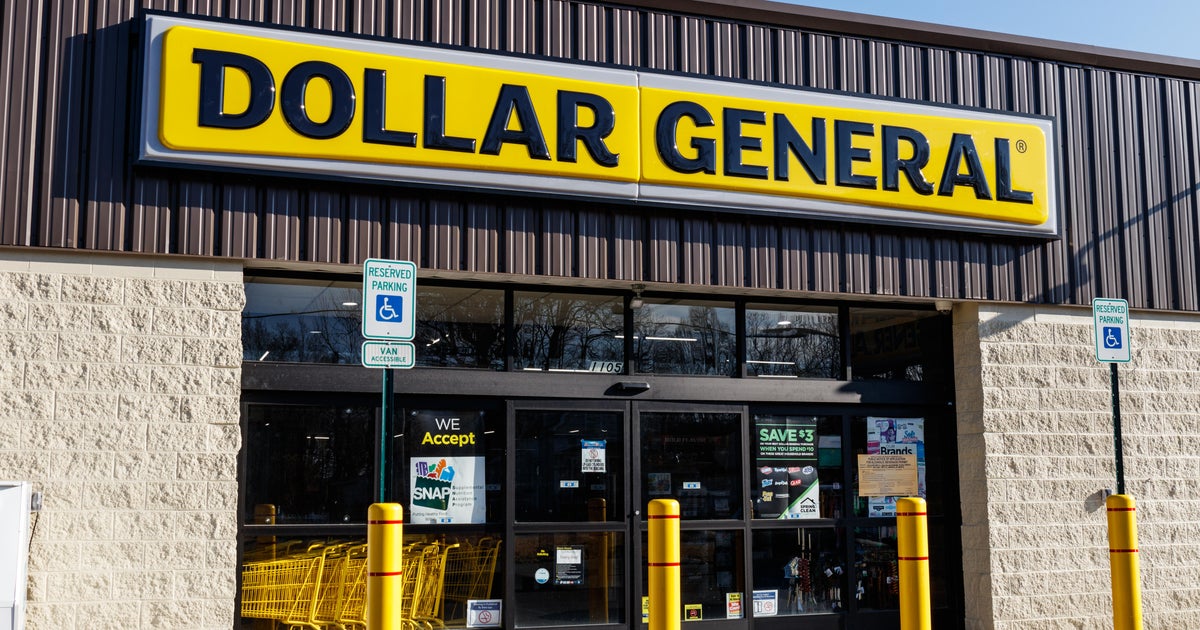
The Federal Trade Commission and 20 states sued Dollar General on Monday, accusing the budget retailer of charging customers more for products than it advertised. According to CBS News, the chain operates 21,000 stores nationwide and is alleged to have mislabeled prices for years, "extracting millions of dollars in unlawful overcharges," in the FTC's words.
The complaint says thousands of Dollar General stores unlawfully overcharged shoppers. The FTC and the states allege the company "has for years engaged in deceptive conduct that harms the very consumers it claims to serve." They say that although Dollar General promises convenience, low prices and value, it routinely charged customers more at the register than the prices shown on shelves, price tags and advertisements. The suit describes a pattern of inaccurate pricing that has persisted for years and affects millions of purchases across the country.
The FTC also pointed to thousands of consumer complaints claiming the company did not honor advertised prices at checkout. The agency argues this is a sign Dollar General knowingly harmed customers.
What federal officials are saying
Christopher Mufarrige, director of the FTC's Bureau of Consumer Protection, said in a statement that "Dollar General has betrayed the trust of millions of American consumers and imposed significant financial harm on communities and consumers who are already struggling to make their paychecks last."
The FTC added that American consumers rely on Dollar General's advertised low prices to make ends meet on tight budgets. When prices at the register do not reflect advertised deals, the agency said, it becomes impossible for shoppers to manage household finances.
The agency filed its complaint in the U.S. District Court for the Middle District of Tennessee, which is Dollar General's home state. The suit seeks a permanent injunction along with monetary and other relief.
Dollar General's response
In a statement, Dollar General said, "Our goal is 100% accuracy between shelf and register prices in every store." The company said that, as with other retailers and despite its policies and procedures, "occasional price discrepancies can occur." When that happens, it said, store teams are "instructed, empowered, and expected to make things right for the customer." It added that in recent years it has enhanced its price-accuracy processes and remains committed to continuous improvement.
The company said it learned of the FTC's investigation in early February. It also said FTC staff demanded a monetary amount that was "untethered to — and orders of magnitude larger than — any realistic assessment of amounts attributable to pricing discrepancies." Dollar General said it "worked tirelessly and in good faith to resolve this matter without litigation," and that it offered an alternative way of calculating potential settlement ranges that it considers more reasonable.
While saying it respects the role of the FTC and state officials in protecting consumers, the company said, "we will defend this litigation vigorously."
Wider scrutiny of retail pricing
CBS News reported that the allegations come as other retailers face scrutiny over how they charge shoppers. Consumer advocates say retailers are developing new artificial intelligence-enabled technology that could be used to charge consumers different prices.
As one example, the outlet noted that Groundwork Collaborative, a nonprofit think tank focused on economic policy, led an investigation into the grocery-shopping platform Instacart. The group found that in a trial, the platform used AI to show customers different prices for the same goods from the same store at the same time.