From a sore knee to a leukemia diagnosis
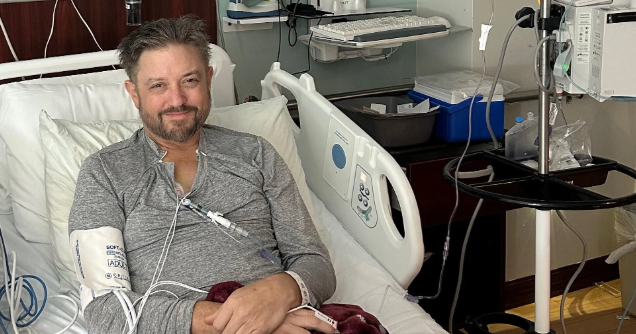
Ryan Goepel, a Florida father of three, was aware that he hadn't always managed his gout well. So when his knee began to hurt during a trip in September 2024, he assumed it was another flare-up, CBS News reported. When the pain lingered, he saw his doctor, who prescribed medication and drew blood for testing.
Two days later she called with results that alarmed her. Goepel recalled her telling him to go straight to the hospital because he had no immune system. At a nearby sports medicine hospital, more blood work was done, and an oncologist came to talk with him. "I'm like, 'Why are you here? I have a sore knee,'" Goepel said. She told him he had leukemia.
His condition was critical, and his organs were close to failing. Goepel said doctors spoke to his girlfriend rather than to him and suggested that hospice care be considered. His girlfriend refused to give up, and the couple sought a second opinion.
Why the usual treatment was a risk
Goepel was transferred to Sylvester Comprehensive Cancer Center in Miami, where a biopsy confirmed acute myeloid leukemia, or AML. The Cleveland Clinic puts the five-year survival rate for this blood cancer at around 30%.
His case was harder still because of the genetic features of the cancer. Dr. Justin Watts, a hematologist-oncologist who treated him and leads the center's leukemia section, said the AML was adverse-risk. The chemotherapy most often used for patients like Goepel was unlikely to control it, Watts said. It could weaken his body without stopping the disease and might kill him within weeks. Even if it worked at first, the risk of relapse would remain higher.
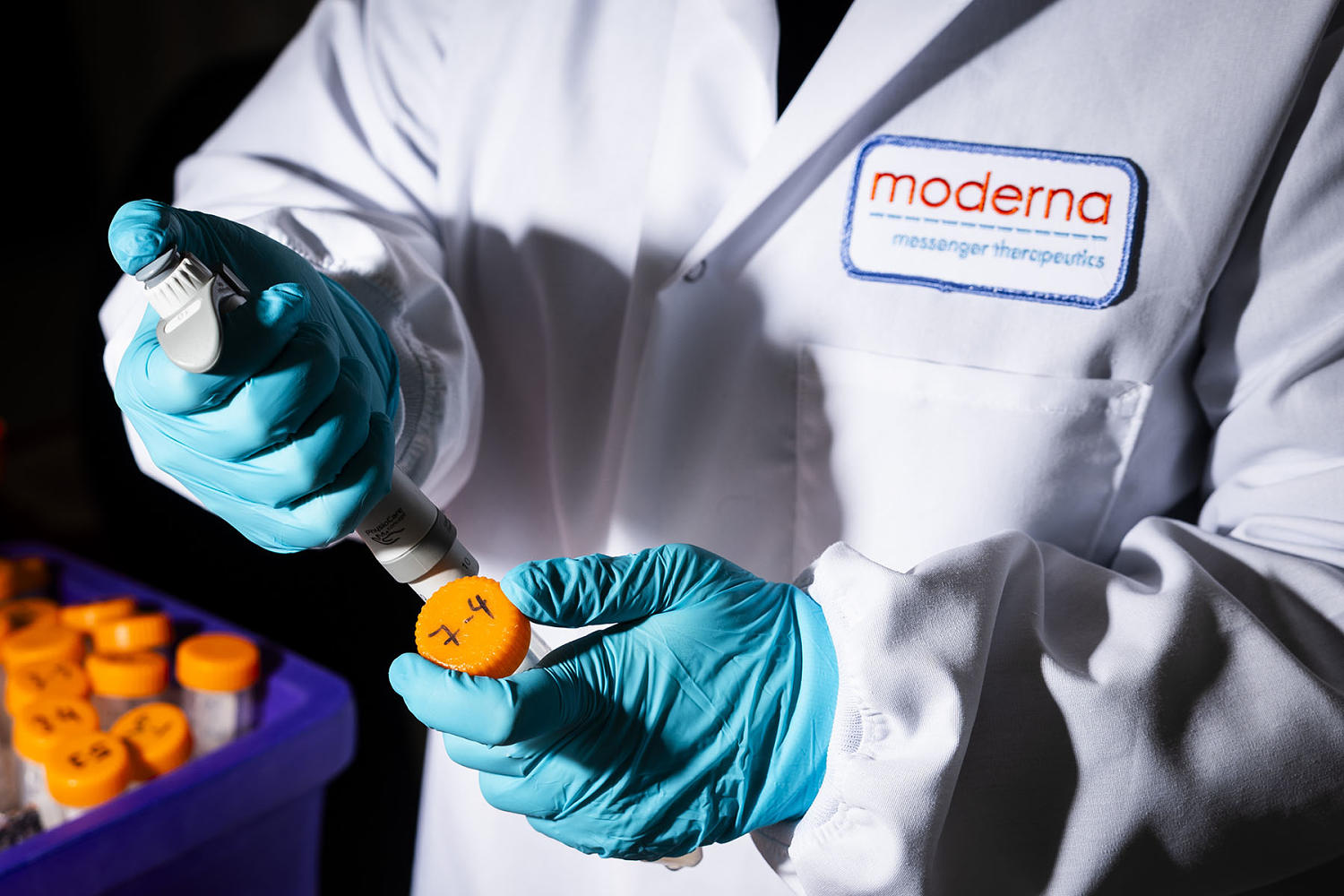
There was one possible alternative: a single remaining opening in a clinical trial Watts was overseeing. The study was testing whether two drugs normally given to older AML patients could also help younger ones. Watts said Goepel's disease profile resembled what is more commonly seen in much older people, which made him a good candidate.
What the trial found
Goepel said joining was an easy decision. He recalled writing "I'm not done yet" in a journal his girlfriend gave him on the first day. He began treatment one day after enrolling. The regimen was a pill taken daily for 28 days plus an infusion given daily during the first week of that cycle.
His cancer responded quickly. Just over two weeks later he was in remission, a result he called "bonkers." He was not alone. According to data published in Haematologica in September, 25 of 36 trial participants saw their cancer shrink or vanish during a 28-day course, and 19 of them reached complete remission.
The source notes that only about 44% of adverse-risk AML patients respond to standard treatment. Trial participants also spent less time in the hospital, needed fewer blood transfusions and had fewer infectious complications than patients given standard treatment, according to the trial data.
Transplant, recovery and outside perspective
Remission was not the end of treatment. Goepel still needed a bone marrow transplant, which Watts said can rebuild the immune system and cure leukemia. More than half of the trial's patients received one. Both of Goepel's sisters were perfect matches, and he had the procedure in November 2024.
He spent three weeks in the hospital afterward and then 100 days isolated at home. He had complications, including rotavirus and pneumonia, but both were treated, and tests show the transplant is working as it should.
Dr. Mihir A. Shukla, a hematologist at NYU Langone's Perlmutter Cancer Center who was not involved in the study or in Goepel's care, said the trial results and data from another Phase 2 study of a similar approach are "generating questions about whether we can change our standard, decades-long approach to treating these patients." He said the findings suggest certain groups of patients may benefit.
Watts said he could not be certain, but Goepel "probably would not be alive today" had he received standard treatment. More research on adverse-risk AML is underway, Watts said, and Goepel will keep meeting with his care team to monitor his transplant and remission.
Life after cancer
Goepel and his girlfriend married in November 2025, on the one-year anniversary of his remission. He has begun traveling again and is working out what life after cancer looks like. He described the goal as not living in fear that the disease will return, and said he is trying to relax and enjoy life again.