The first cargo sets sail
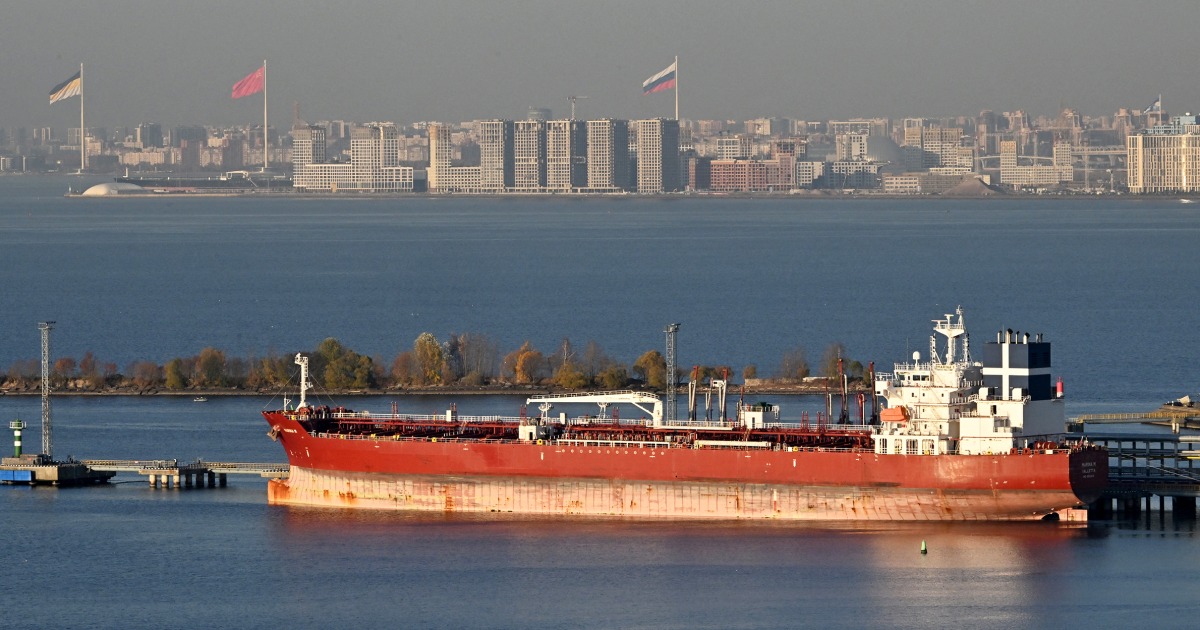
A tanker loaded with diesel left Russia for the United States on Friday. It is the first such shipment since President Donald Trump agreed to a deal with Russian President Vladimir Putin to put more fuel on the global market, NBC News reported.
The vessel, a Malta-flagged ship called Agioi Fanendes, departed the port of Primorsk, according to MarineTraffic tracking data reviewed by NBC News. It listed New York as its destination. Energy Aspects, a market intelligence firm, said its industry sources confirmed the ship loaded 298,000 barrels of diesel and currently plans to unload in New York. The arrival is expected Nov. 10.
The Kremlin confirmed the departure. Spokesman Dmitry Peskov said early Friday that he believed there had already been reports from the Ministry of Energy that the first tanker had left and that further shipments would continue on a regular basis.
A reversal of U.S. policy
Trump eased some sanctions on the Kremlin two weeks ago and has since waived more, according to NBC News. The moves reverse years of American policy while Russia continues its invasion of Ukraine, and appear aimed at lowering prices before the midterm elections.
The tanker's expected arrival would come just after those elections. NBC News reported that Republicans are bracing for potentially heavy losses in House and Senate seats they are defending, driven partly by consumer anger over soaring energy prices.
Trump has taken several steps to warm ties with the Kremlin and pressure Kyiv to agree to end the war, drawing outrage from Ukraine and its bipartisan supporters in Congress, NBC News said.
Prices and the limits of one shipment
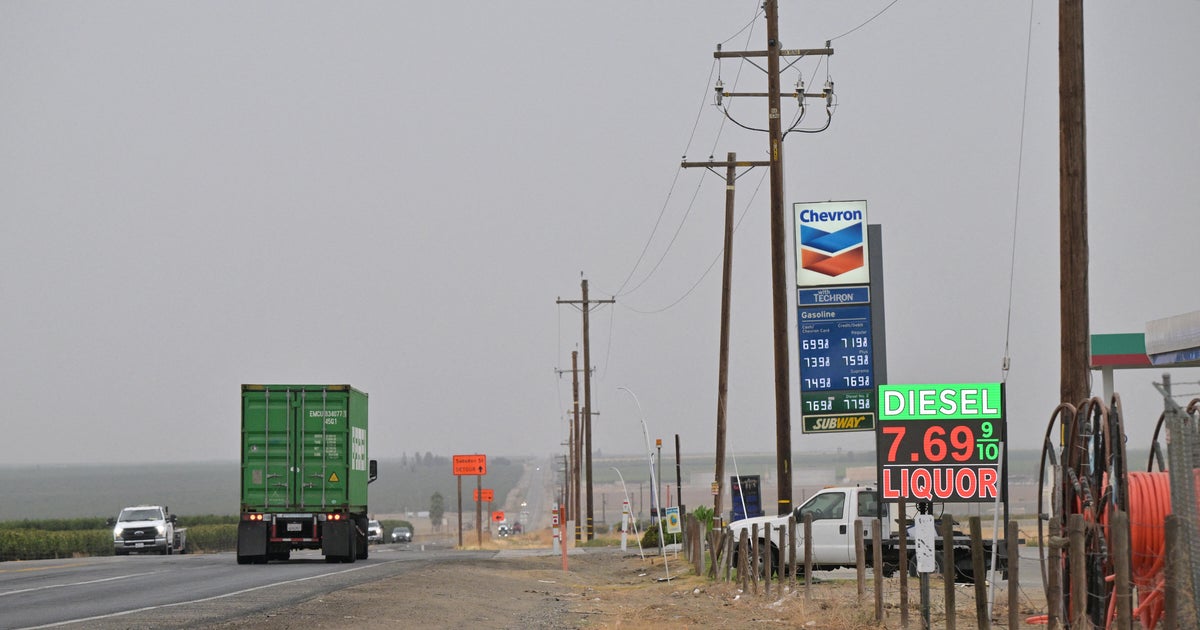
The average price of diesel has climbed from $3.55 per gallon at the start of the year to $6.32, a 78% rise that NBC News described as unprecedented. Brent crude traded around $114 per barrel, less than $13 from its highest point this year, and was headed for a third straight weekly gain.
Energy Aspects analysts said the cargo's impact would likely be "limited." U.S. daily diesel demand is about 3.8 million barrels, so the shipment would not cover even a full day of use.
Economists have been particularly concerned about diesel because of how widely it feeds into costs. KPMG chief economist Diane Swonk told NBC News in an August interview that "the cost of diesel gets into just about everything," from running a farm to shipping goods across the economy.
Supply pressures and other administration steps
Bank of America's head of global commodities, Francisco Blanch, wrote in a recent note that global distillate markets have tightened sharply, signaling "an acute scarcity of refined products." He pointed to attacks on shipping around Hormuz and attacks on Russian refining capacity as factors that restrict supply.
Russia has historically been one of the world's largest diesel exporters. It restricted exports in September and for part of October amid a Ukrainian campaign against its energy infrastructure, and lifted the limits after the Putin-Trump diesel deal, NBC News reported.
The administration has also signed an order allowing wider use of off-road diesel and pressured European allies, particularly Germany and France, to release diesel reserves. It has reportedly pushed for a new release of crude and diesel reserves, though the International Energy Agency rebuffed the request. Blanch wrote that "there is no silver bullet for diesel."