What happened in Germany
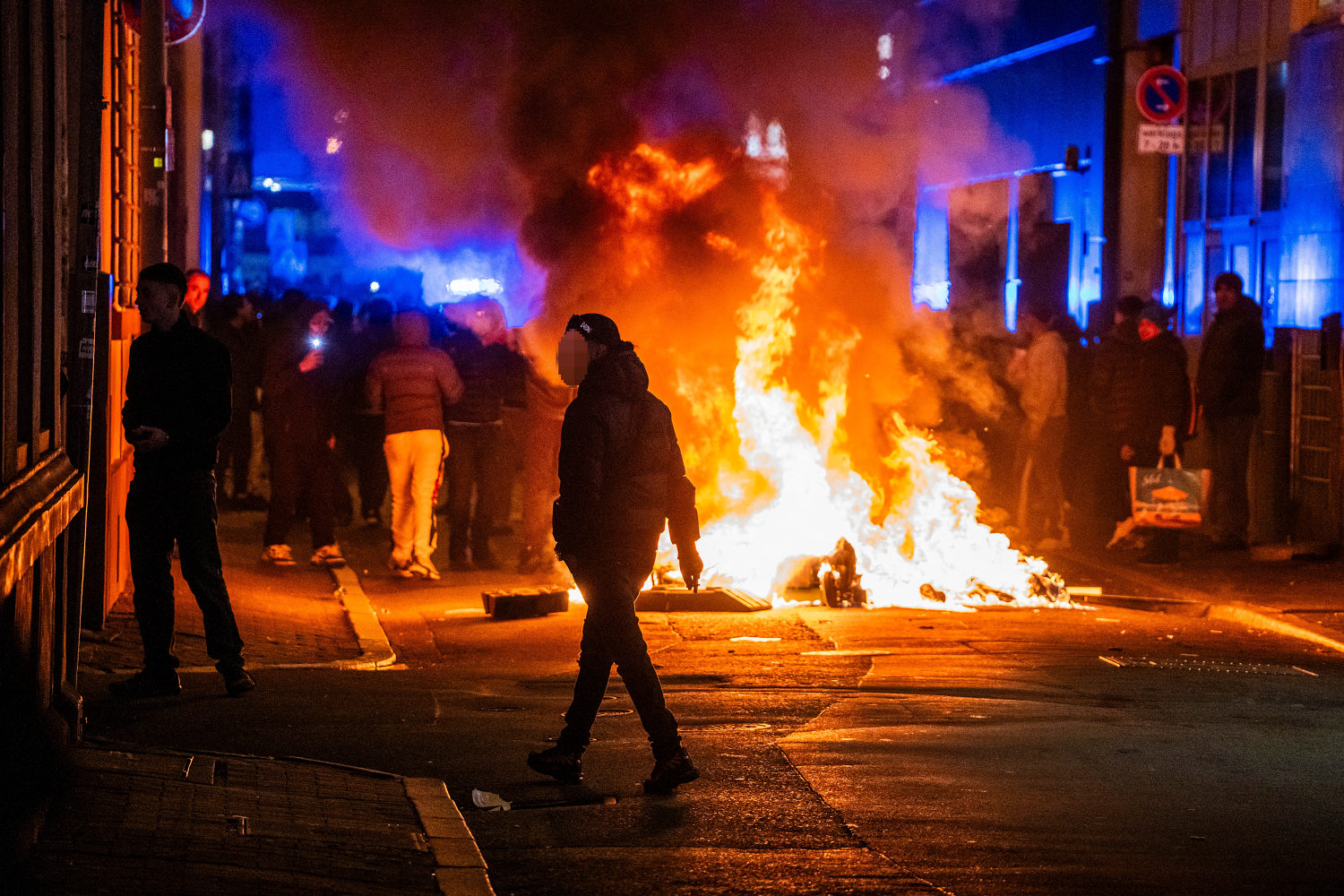
Rioters looted stores and set fires to barricades in Frankfurt on Saturday, according to NBC News. The unrest came during a day of protests across Germany demanding lower living costs and better education. Tens of thousands of people took part in more than 30 cities, including Berlin and Frankfurt, in events organized by the campaign group Gen Z Regelt, which translates as Gen Z Takes Charge.
The demonstrations were largely peaceful but turned violent in some places. Frankfurt police wrote on X that "windows have been smashed at several shops" in the city center and that "Molotov cocktails are also being thrown at the emergency services." Police urged bystanders to avoid the area or leave it. In Hamburg, some barricades were set on fire. Some businesses had boarded up their windows and doors ahead of the protests.
Official figures from Saturday afternoon suggested turnout was below the 182,000 participants organizers had initially expected.
What the protesters want
The activists are calling for more spending on schools, climate protection and housing. They also oppose plans to bring back mandatory military service.
Gen Z Regelt spokesperson Lina Friedrich spoke in Berlin. "We are here today to fight for peace and freedom, rather than for war and coercion," she said. She added that better support for the health and education systems matters most to the group, which opposes compulsory military service and favors "a fairer distribution of the burden."
Unrest across Europe
The German protests came weeks after some of the worst rioting in decades broke out in neighboring France. NBC News reported that student protests over the state of education in France last month grew into broader demonstrations about the cost of living and social security. France's Interior Ministry put Saturday's turnout there at 320,000, and NBC News said it had vetted videos showing large crowds and fires in Marseille.
Roman Poseck, interior minister of the German state of Hesse, which includes Frankfurt, warned beforehand against taking the French protests as an example. He said people had images from France in mind of "looting, burning houses, burning police vehicles, and attacks on police officers," and that "France must not be held up as a model in this regard."
Protests over living costs and other grievances have also taken place in Italy, Serbia and Spain. In Italy, Prime Minister Giorgia Meloni's government said it would deploy 500 army troops alongside police in Milan until the end of the year. That followed incidents earlier this month in which masked groups looted stores and threw projectiles at police. Tens of thousands marched in Rome and other Italian cities on Friday. NBC News said its crew saw police use a water cannon and charge to disperse protesters.
In Portugal, police early Sunday forcibly cleared a tent camp that activists had set up in Lisbon to protest high housing costs, Reuters reported. Hundreds of protesters who shielded the camp were dispersed with shields and some baton charges.
Differences between the movements
Andrew Barclay, a politics lecturer at the University of Sheffield in England, told NBC News that the timing invites comparison but the differences deserve attention. He said the French protests have drawn "hundreds of thousands taking to the streets over many weeks" and were at first centered on education funding. Protests elsewhere may have drawn inspiration from France, he said, but their scale has so far been smaller, and the complaints being raised have "ballooned."
Barclay also said the protests in Germany and France were unlikely to bring a direct change in governance, as happened in Serbia. There, NBC News noted, student-led activism helped unseat the country's long-time leader at the ballot box. Barclay cautioned that "often protests, even quite large ones, don't capture that level of support elsewhere in the country." He said he would be "very cautious" about comparing Serbia, where students and others organized against state corruption, with the protests now seen elsewhere.