What happened at the United Nations
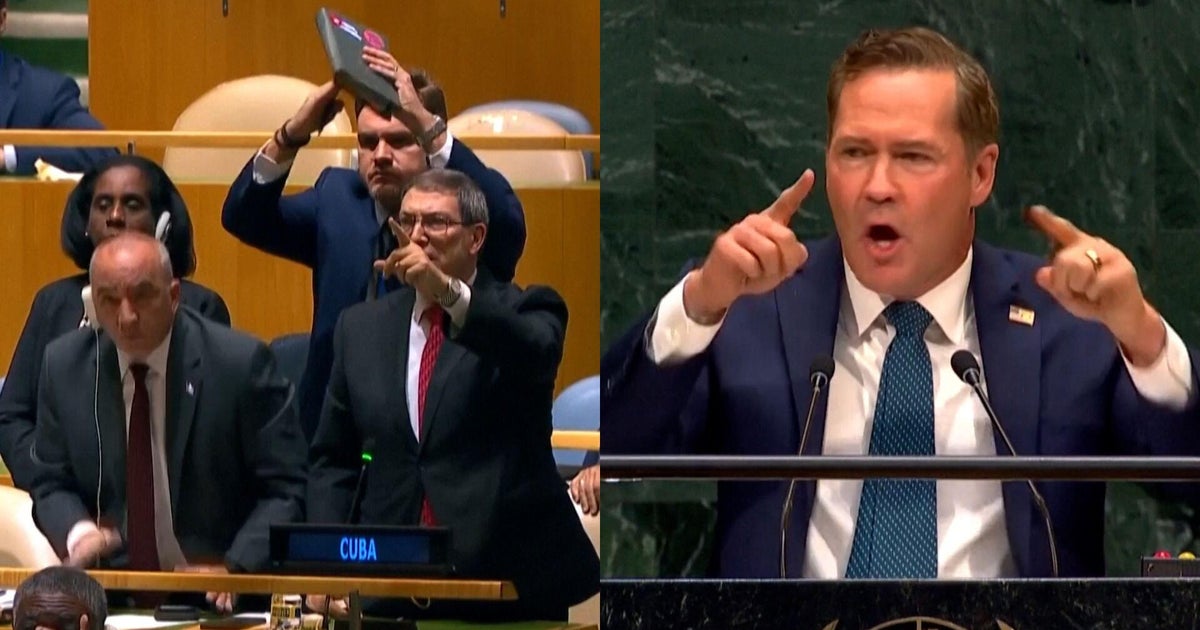
According to CBS News, Mike Waltz, the U.S. ambassador to the United Nations, became involved in a shouting match with the Cuban delegation while he was delivering remarks at the U.N. The network published the report on Thursday under a headline inviting readers to watch the exchange, which suggests video of the confrontation exists.
The published summary is brief. It establishes that Waltz was speaking, that members of the Cuban delegation were part of the exchange, and that voices were raised on both sides. Beyond that, the material provided offers little detail about how the confrontation unfolded.
What remains unclear
The CBS News account does not say which topic Waltz was addressing when the argument began. It also does not identify which Cuban diplomats took part, what was said, or whether a presiding officer stepped in to restore order.
There is also no indication in the source of any formal response from either government, such as a statement from the U.S. Mission or from Cuba's representatives. Without that information, the reasons for the clash and any consequences remain unknown. Further reporting or the video itself would be needed to establish those points.
The backdrop of U.S.-Cuba tensions
The two countries have had a strained relationship for decades. Washington maintains an economic embargo on the island, and Cuban officials have long used international forums to denounce it. The embargo has been a recurring subject of debate at the United Nations, where Cuban diplomats regularly argue against U.S. policy and American representatives defend it.
That history does not explain what happened in this instance, and the source does not link the confrontation to any particular issue. It does show that Cuba and the United States have a record of disagreeing in public at the U.N., which makes a heated moment between their delegations less surprising even if the specifics are unknown.
Why the setting matters
The United Nations runs on formal rules. Speakers are normally recognized in turn, and presiding officials can call for order when debate becomes disruptive. Diplomats often express sharp disagreement, but they usually do so through prepared statements and procedural points rather than raised voices across the chamber.
For that reason, a shouting match involving a U.S. ambassador draws attention, particularly when video is circulating. Whether this episode proves to be a one-off flare-up or part of a broader pattern will depend on details not yet provided in the initial CBS News report, including the context of the speech and any follow-up from the governments involved.