A record year for measles
The United States has recorded more measles cases so far in 2026 than in any year in more than three decades, according to data from the Centers for Disease Control and Prevention, as reported by CBS News. Outbreaks have spread across multiple states.
The 2026 count passed the full-year 2025 total by mid-July. Last year had been the worst in recent history, with more than 2,200 confirmed cases. By October, the 2026 number had topped 4,500.
Deaths in Pennsylvania and risk to elimination status
In August, Pennsylvania health officials reported the state's first two measles-related deaths in 35 years. Both occurred in Lancaster County, and state officials said neither person had been vaccinated. CBS News reported that several more deaths linked to measles were reported later as the state's outbreak grew.
The continuing outbreaks also put the country at risk of losing its official measles elimination status, which it has held since 2000.
Measles is among the most contagious infectious diseases. It can cause severe infections of the lungs and brain, which can lead to cognitive problems, deafness or death. Vaccination prevents it, and medical research has found the vaccine to be safe and highly effective, CBS News noted.
How this year compares with earlier ones
CBS News said its data team has followed confirmed cases nationwide as state health departments and the CDC release new figures.
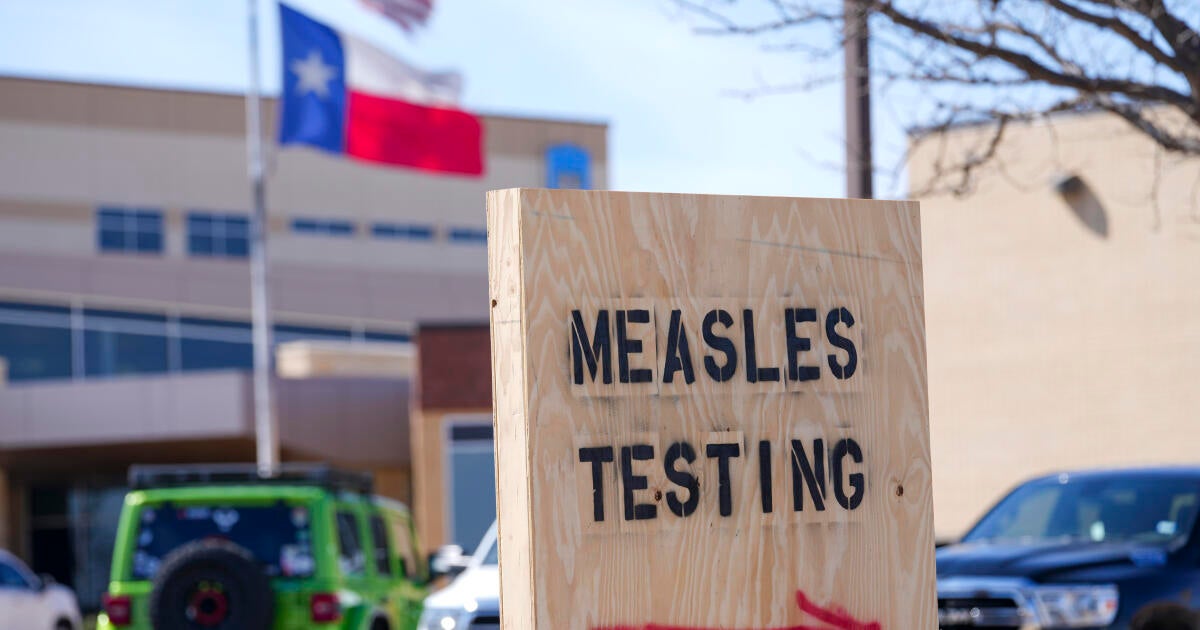
Last year's final total was 2,289 confirmed cases. More than 750 of them were tied to an outbreak in West Texas that led to the deaths of two children. Before 2025, the highest recent annual figure was 1,274 in 2019, driven by outbreaks in New York, California and Washington state. In most years the total was far lower.
Vaccination rates and what officials say
Health experts cite lower vaccination rates as the main reason preventable diseases such as measles are rising, according to CBS News. The vast majority of cases have been among unvaccinated people, and outbreaks have taken hold in communities with lower vaccination coverage.
CDC data shows about 92.4% of kindergartners received the measles-mumps-rubella vaccine in the 2025-2026 school year, a slight dip from 92.5% the year before. In the 2019-2020 school year the figure was 95.2%. The 95% level is considered a critical threshold, and only 10 states reached it last year.
"When more than 95% of people in a community are vaccinated, most people are protected through community immunity (herd immunity)," the CDC states, as quoted by CBS News.
Dr. Jay Bhattacharya, director of the National Institutes of Health, spoke about childhood vaccines on "Face the Nation with Margaret Brennan." He said "it's very important that parents vaccinate their kids," and he included the measles vaccine among the standard childhood shots he mentioned.
CBS News also noted that research has found no evidence of higher autism rates among vaccinated people compared with unvaccinated people, and that vaccines go through intensive safety testing.