What Trump announced
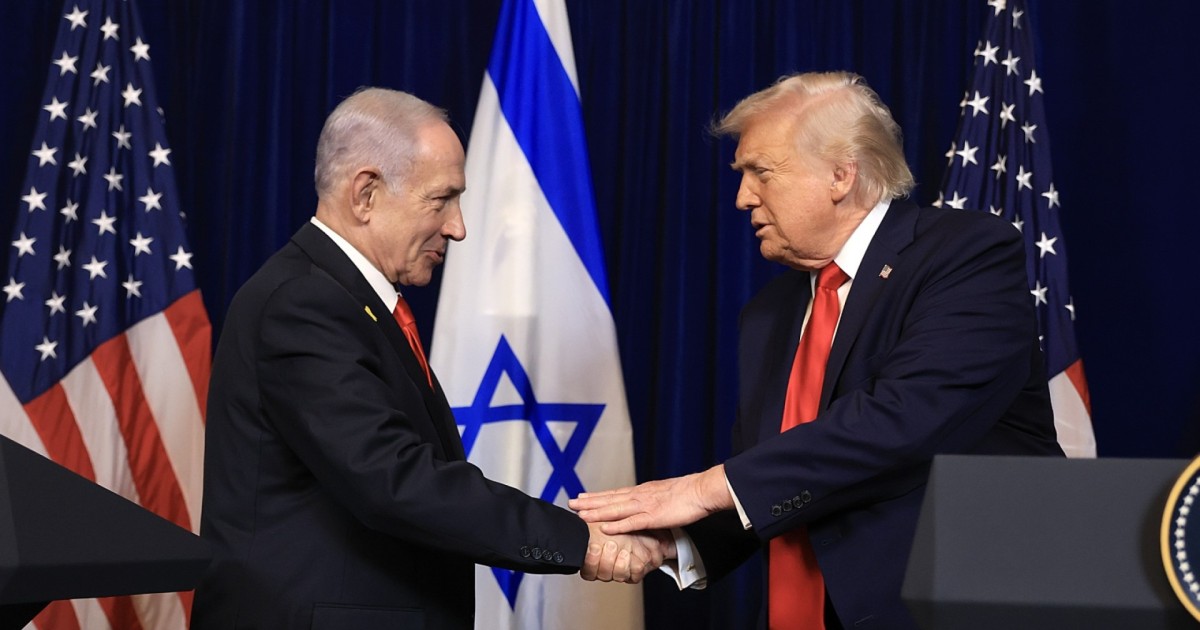
President Donald Trump said he has reached an agreement with Israeli Prime Minister Benjamin Netanyahu under which the United States will stop sending Israel $4 billion in assistance each year, according to NBC News. The network's headline said the cutoff would come at the end of the year.
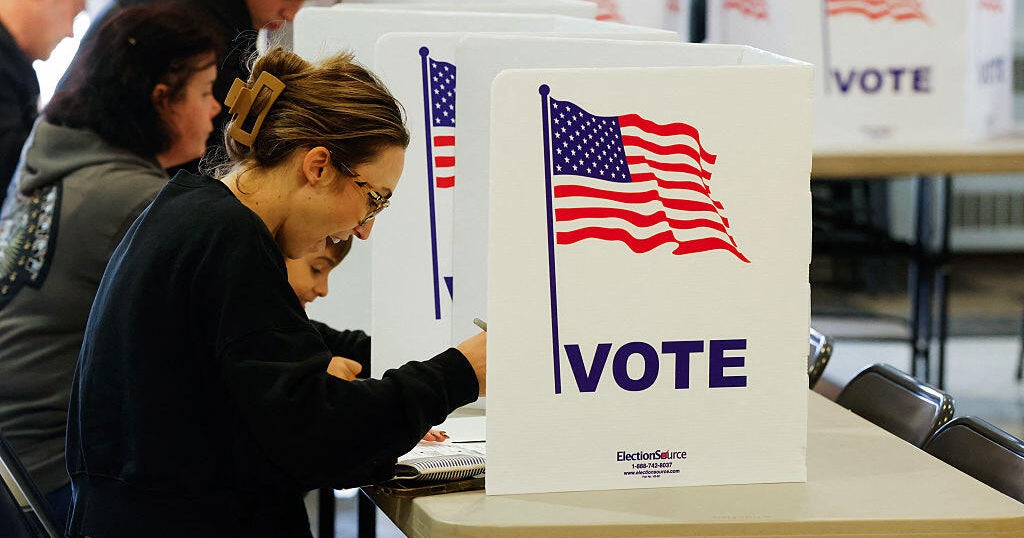
The announcement was published on Nov. 3, 2026, the day of the midterm elections. NBC News correspondent Gabe Gutierrez reported on what the decision could mean for the contest, which will determine control of Congress.
What remains unclear
The material provided by NBC News is brief and does not explain how the arrangement would work. It does not say whether the end of the aid would be phased in, whether any categories of support would be exempt, or what Israel would provide in return.
It also does not say how Congress, which controls federal spending, would be involved. Nor does it include a response from Netanyahu's office or from lawmakers of either party. Those details were not part of the report, and it would be premature to draw conclusions about them.
Trump's description of a deal with Netanyahu is the basis for the report. NBC's summary presents it as the president's own account.
The political backdrop
The announcement landed as voters were casting ballots in a closely watched midterm cycle. NBC's coverage that day pointed to affordability and the war with Iran as issues weighing on voters as they headed to the polls.
Other NBC segments on the same page covered Texas emerging as an unlikely battleground, questions about whether Democrats can win enough seats to take control of Congress, and a Michigan Senate race that was drawing attention after Rep. Haley Stevens switched her endorsement to Republican Mike Rogers. Senate Democratic leader Chuck Schumer described the mood on Election Day as "nauseously optimistic," according to NBC's video listing.
Gutierrez's report examined how the aid announcement fits into that environment, though the text provided does not spell out his conclusions.
A long-running U.S. commitment
American military and security assistance to Israel has been a feature of U.S. foreign policy for decades. It has generally enjoyed support from both Republican and Democratic administrations and large bipartisan majorities in Congress, though debate over conditions on the aid has grown in recent years.
Ending annual assistance would therefore mark a significant shift from that long-standing approach. How it would be carried out, and whether it would survive scrutiny from lawmakers, will depend on details that have not yet been made public in the source material.