What happened
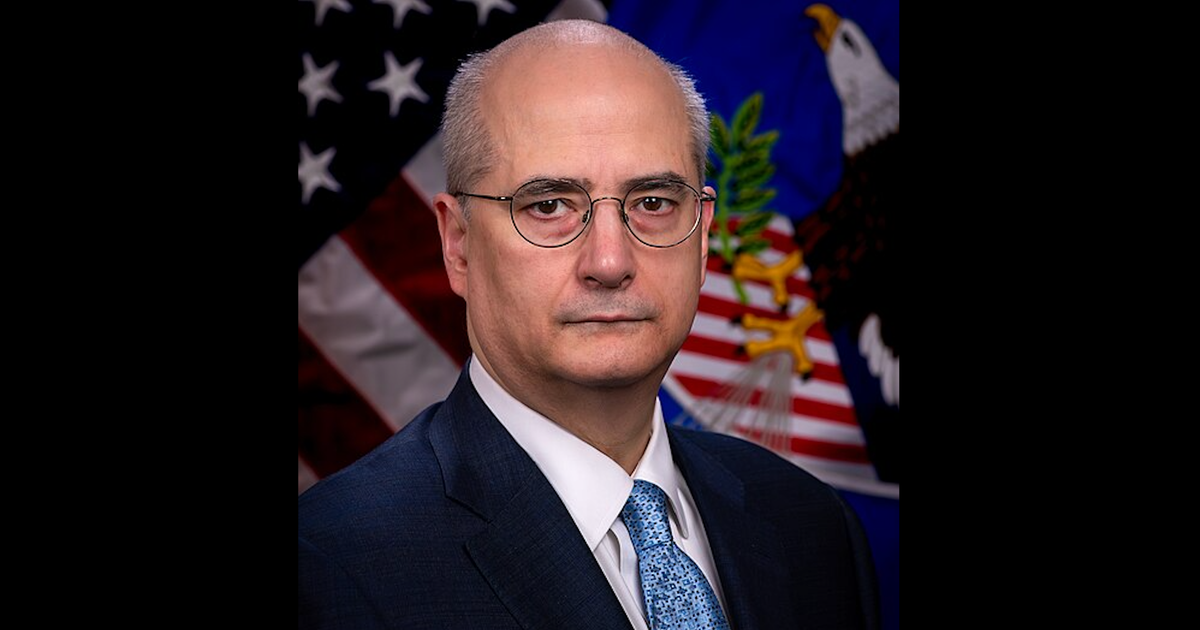
John Eisenberg, the assistant attorney general in charge of the Justice Department's National Security Division, resigned abruptly on Friday, the department said, according to CBS News. Attorney General Todd Blanche announced the departure on X and thanked Eisenberg for "strengthening our nation's ability to address threats, both foreign and domestic."
The resignation came two days after Democrats won back both the House and the Senate in the midterm elections. CBS News reported that Eisenberg is the second assistant attorney general to step down this week.
A cluster of departures
On Thursday, Harmeet Dhillon, who led the Civil Rights Division, submitted her resignation. CBS News noted that she had told the White House before the election that she planned to leave, so her exit was not a response to the results.
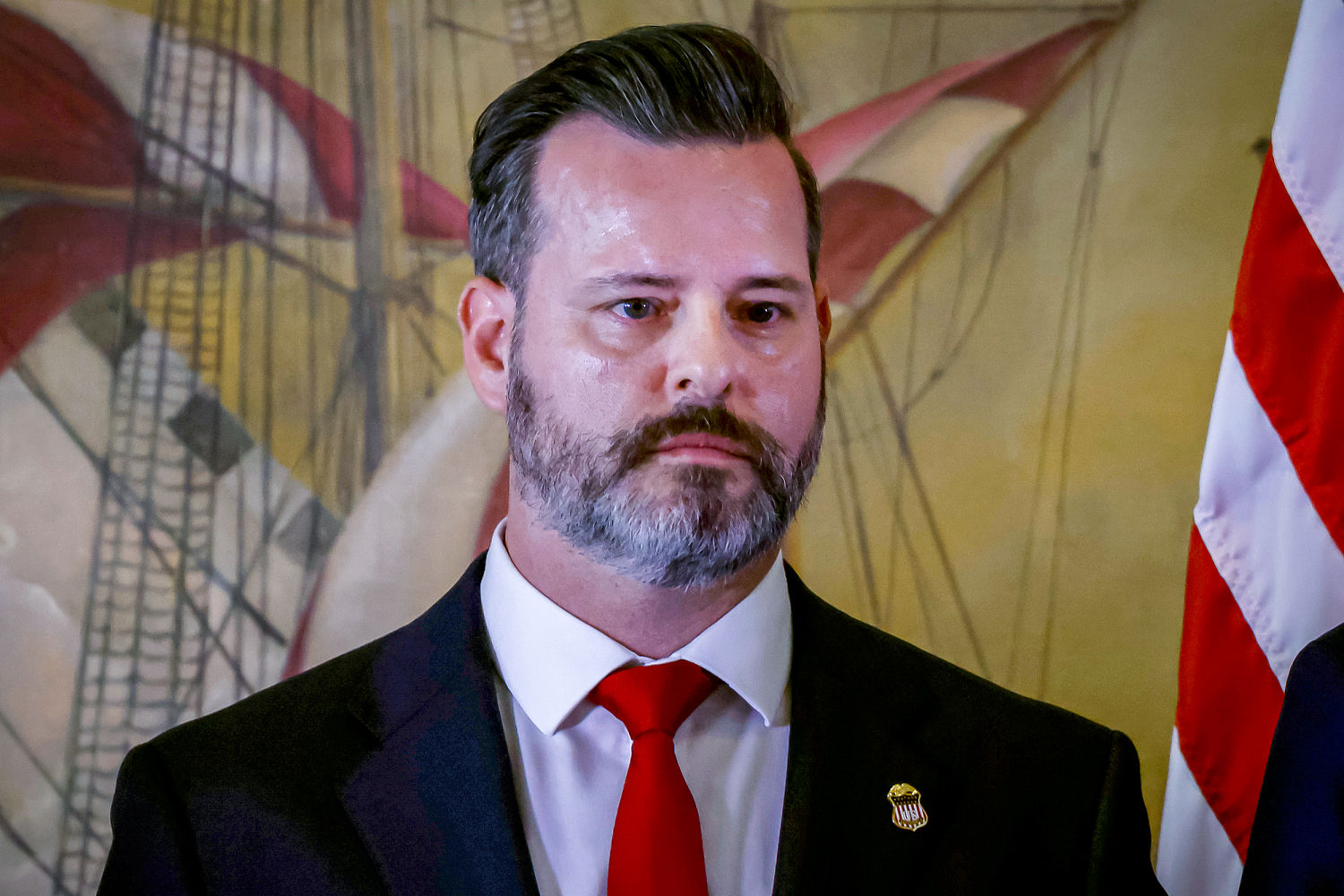
A third Trump appointee, Jason Reding Quiñones, the U.S. attorney for the Southern District of Florida, also resigned Friday. Unlike Dhillon, Eisenberg kept a relatively low public profile in his role, CBS News reported.
The division's recent workload
The National Security Division was given a difficult task late last year: managing the redaction of millions of pages of investigative records tied to Jeffrey Epstein, the accused sex trafficker. Congress had mandated the release amid growing pressure to make the files public. The work was later widened to draw in the FBI, the Criminal Division and the U.S. attorney's office in Manhattan, which together assigned 400 attorneys to review roughly 5.2 million pages.
The results drew sharp criticism, according to CBS News. Many of Epstein's victims complained that their names and personal details were released by mistake. Members of Congress also accused the department of wrongly redacting information about possible unindicted co-conspirators.
The division has also been involved in leak investigations aimed at reporters. One example is the Espionage Act inquiry into a government contractor that led to a search of the home of Hannah Natanson, a Washington Post reporter, earlier this year.
Terrorism policy and immigration cases
CBS News reported that the division was at the center of a shift in domestic terrorism enforcement ordered last year by Pam Bondi, who was attorney general at the time. In December, a Bondi memo told law enforcement agencies and federal prosecutors to focus on people and groups tied to the antifa movement or considered "extremist." The memo also broadened the types of conduct that could be pursued as domestic terrorism, including doxxing law enforcement officers and parading with intent to obstruct the administration of justice.
This year the division also helped bring the first case before the Alien Terrorist Removal Court, a long-standing and secretive immigration court that relies on classified evidence. The case ended before the court could address constitutional questions: the target, Nazira Haji Zada, agreed to be deported to Afghanistan instead of contesting the allegations.
What the division does
Established several years after the September 11 attacks, the National Security Division handles the department's counterterrorism and counterintelligence work, enforces export controls and reviews foreign investment in American companies. CBS News noted that many national security cases brought by U.S. attorney's offices nationwide require consultation with the division, and sometimes its approval.
The outlet also reported that the division has lost a large number of career staff over the past year. No successor was named in the source reporting.