What the study found
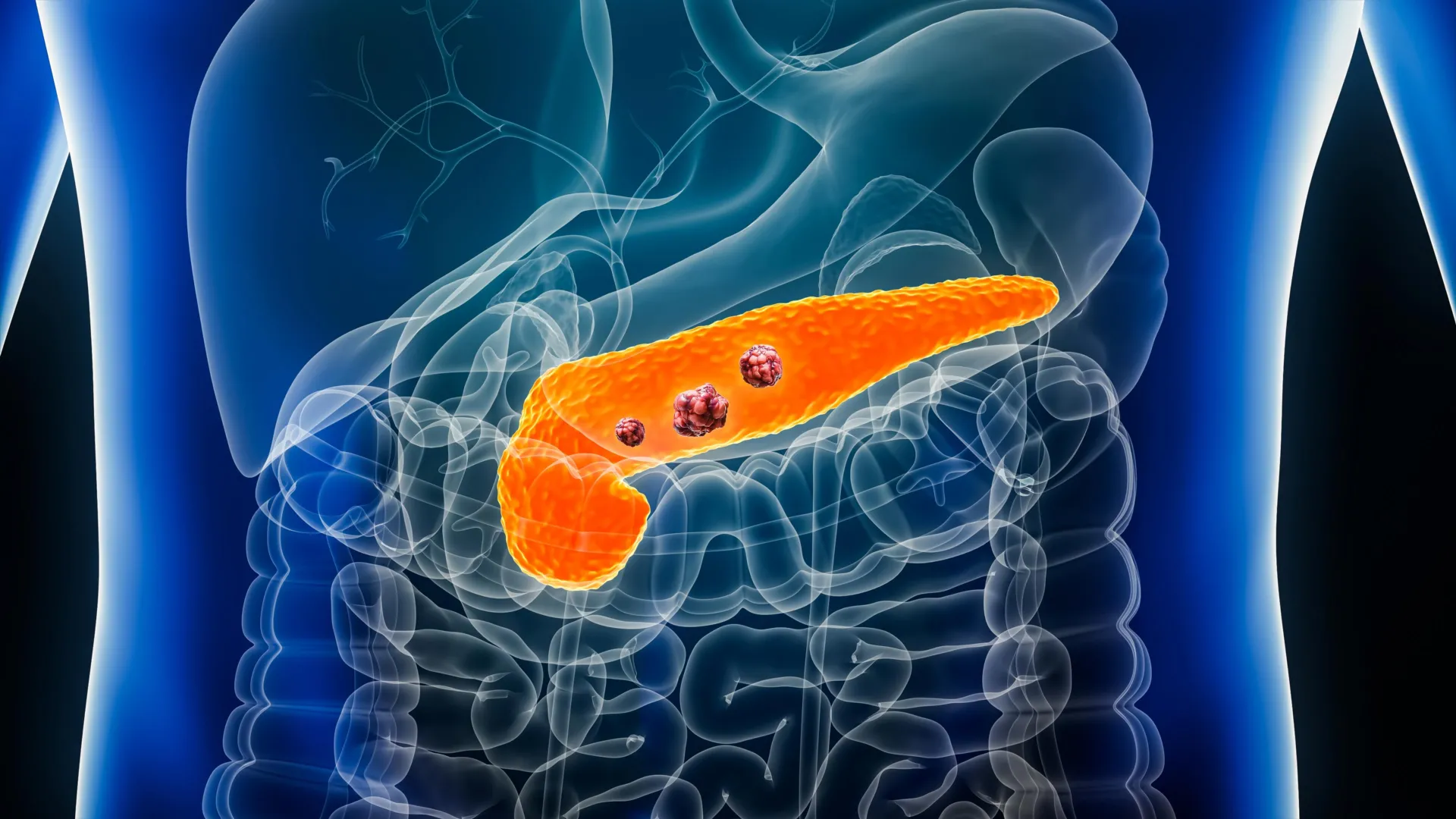
Researchers have developed an artificial intelligence system that can spot minute changes in pancreatic tissue that may point to cancer well before it can be seen by doctors or standard imaging. The work, published online in the journal Gut, centers on pancreatic ductal adenocarcinoma, the most common form of pancreatic cancer.
The tool is called REDMOD, short for Radiomics-based Early Detection MODel. It analyzes fine-grained texture patterns in the pancreas, known as radiomics, which are not readily visible on conventional computed tomography (CT) scans. It also outlines the pancreas on its own and separates it from neighboring organs. That removes the need for specialists to trace the organ by hand, which can produce inconsistent results between people.
On average, according to the study, REDMOD identified imaging signatures linked to pancreatic cancer 475 days before patients received a clinical diagnosis. Those signs had gone unnoticed in routine radiological reviews.
How the testing worked
The team examined abdominal CT scans from 219 patients treated at several hospitals. Experienced radiologists had found no sign of cancer on these scans, but every one of the patients was later diagnosed with the disease. For 87 patients (40%), the scan was taken 3 to 12 months before diagnosis. For 76 (35%), it was taken 12 to 24 months before, and for 56 (25%), more than 24 months before, up to about three years.
In 64% of these patients, the tumor arose in the head of the pancreas. Their average age was 69, with a range of 34 to 88. The researchers compared their scans with those of 1243 people who stayed free of pancreatic cancer for up to three years afterward. That comparison group was matched on age, sex and scan dates, and averaged 64 years old, with the same 34-to-88 range.
How it compared with radiologists
REDMOD had a sensitivity of 73%, versus 39% for radiologists. Sensitivity measures how well a test identifies people who truly have a disease instead of missing real cases.
The gap was wider for scans taken more than two years before diagnosis. In those cases the AI detected 68% of cancers, compared with 23% for the radiologists, nearly three times as many.
The researchers also checked how well the system recognized scans from people without cancer. In an independent group of 539 patients from several hospitals, it correctly labeled just over 81% as cancer free. On the publicly available NIH-PCT dataset of 80 patients from the US National Institutes of Health, it correctly identified 87.5% as cancer free.
When the team analyzed scans taken from the same patients several months apart, REDMOD gave matching results in 90 to 92% of cases. The researchers say this supports the idea that the system is picking up meaningful disease-related changes.
Limits and what comes next
Pancreatic cancer has a low survival rate, largely because it is usually found late. Early disease tends to cause few noticeable symptoms, and the tissue changes can be too subtle for standard imaging. The cancer can also progress quickly.
The authors caution that important questions remain. The study population was not sufficiently diverse ethnically, which could affect how well the tool works across groups. The system also needs prospective testing, particularly in people at higher risk, such as those with unexplained weight loss or recently diagnosed diabetes, before its usefulness in everyday care can be judged.
In the paper, the researchers wrote that early detection "would substantially augment the probability of cure and improved survival." They also described REDMOD as "a significant advance towards shifting the paradigm" from late-stage symptomatic diagnosis to what they call proactive pre-clinical interception, while stressing that prospective validation is paramount.