What the study found
An estimated 75% of professional football players who died over a 15-year period had signs of chronic traumatic encephalopathy, or CTE, according to a study published Wednesday in JAMA Network Open. NBC News reported that it is the highest estimate to date.
The same research group published a study in August that put the figure at one-quarter of NFL players who died in a five-year span. The new estimate is three times higher. The study also estimated that about 27% of the former players had dementia, a smaller share than those with signs of CTE.
Study leader Yorghos Tripodis, director of statistics and data management at the Boston University Alzheimer's Disease and CTE Center, said the results were surprising. "I had to double-check the numbers," he said.
How researchers reached the estimate
CTE can be diagnosed only during an autopsy, because its microscopic changes do not appear on brain scans. Past research has been criticized for bias, since people with cognitive decline and their families are much likelier to donate brains or request autopsies. A previous Boston University study found that 99% of brains donated by former NFL players had signs of CTE.
To reduce that bias, Tripodis and his team combined data from the UNITE Brain Bank at Boston University with national death records for former NFL players who died from 2008 to 2023. They analyzed 396 donated brains plus information on 1,966 other deceased former players, and they factored in age at death and estimated rates of mild cognitive impairment and dementia in former players older than 50.
About 93% of the donated brains showed signs of CTE. The team calculated that families of players with cognitive symptoms were about five times likelier to donate than families of players without symptoms, and applied a statistical correction. They then estimated that of roughly 2,360 former players who died in the period, about 1,760, or nearly 75%, had CTE. The researchers said only about 1% of brains donated to banks in the U.S., Austria and Brazil show signs of the disease.
Caveats and expert reaction
Tripodis described the figure as a best guess. "Right now we don't know how to diagnose CTE when people are alive, so we are trying to estimate," he said. He also noted that many people with signs of CTE never develop symptoms. Dementia can have many causes, he said, but "it is very likely that in this specific population that CTE is causing dementia."
Dr. Jim Kelly, a professor emeritus of neurology at the University of Colorado Anschutz who was not involved in the research, said the numbers remain estimates. "They had no autopsies on five times as many players who died as they did have autopsies for," he said. He added that some autopsies may have found only one or a few lesions, which seems unlikely to lead to behavior change or dementia.
Dr. Julian Bailes, chair of neurosurgery at Endeavor Health in the Chicago area, who also was not involved, agreed such studies are difficult. He said the findings call for more research on diagnosing CTE in living people. "If you can't tell if someone has a certain disease until they're dead, you really can't help them," he said.
Prevention and the NFL's response
Bailes explained that when the head jolts, the brain can slam into the skull or twist, and each blow gives tau proteins a chance to build up. The disease can affect brain areas that regulate behavior and emotions, leading to memory loss, depression and violent mood swings, though those symptoms can stem from other illnesses.
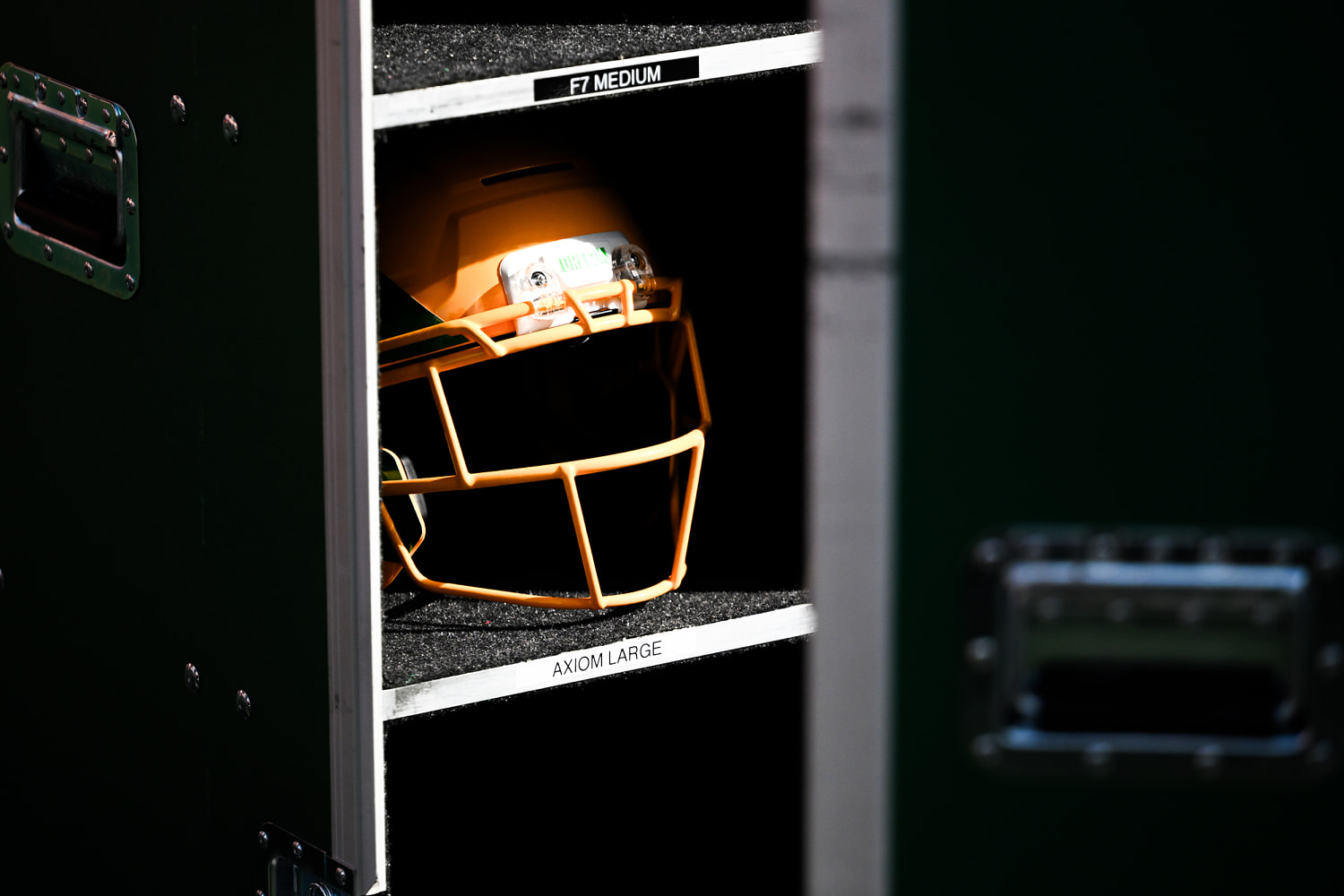
Tripodis said prevention is key: "If you reduce the number of brain injuries, brain impacts, you substantially decrease the risk." In an emailed statement, an NFL spokesperson said the league "continuously strives to make the game of football safer, including by implementing strategies to reduce concussions and head impacts." NBC News noted measures such as redesigned helmets, including the Guardian Cap, and the dynamic kickoff rule, which leads to lower collision speeds.