The affordability crisis is revving up again. Get unlimited access to ad-free articles and exclusive content. The war in Iran and President Donald Trump’s global tariff agenda are pushing prices higher across the country and raising fears of renewed inflation.
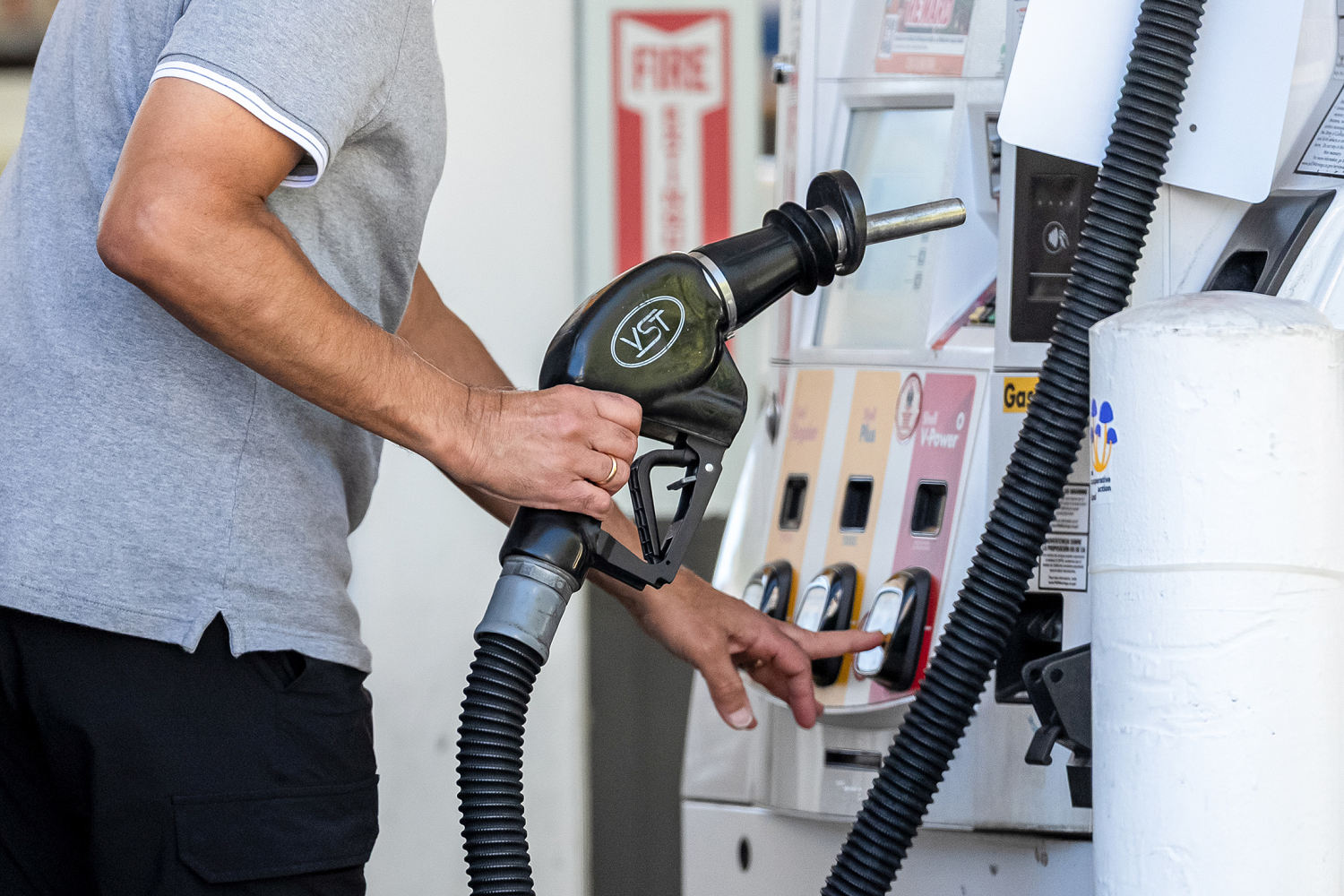
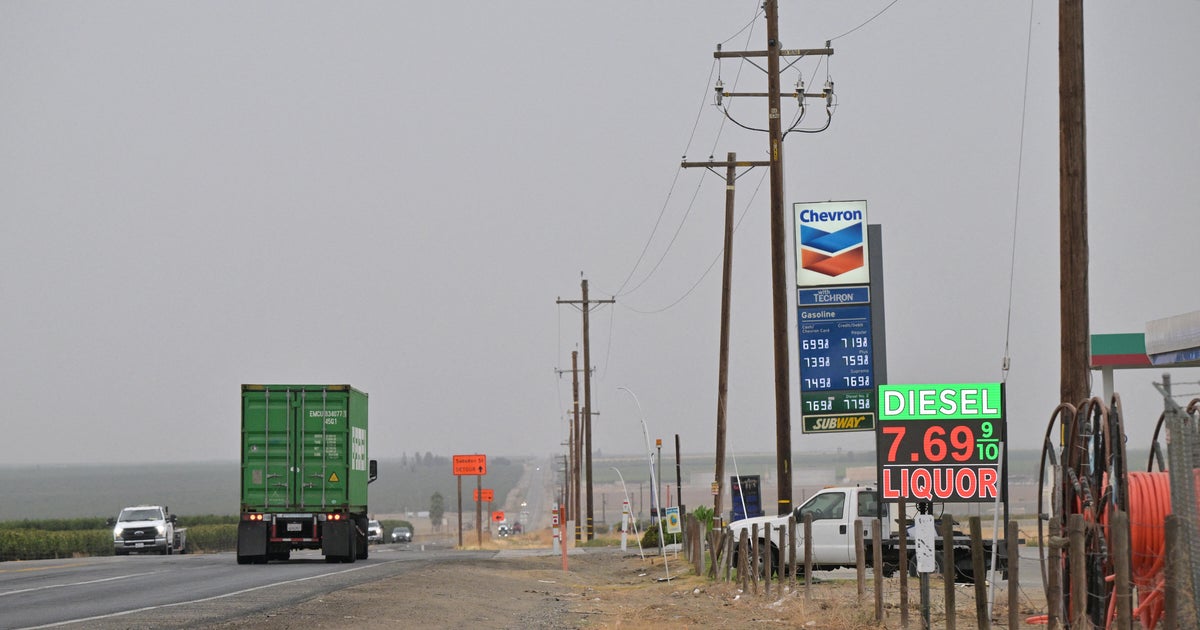
Gas prices are surging again, hitting $4.10 per gallon on Friday and are poised to climb higher. These rising costs at the pump are a direct result of the jump in global oil prices. Brent crude oil briefly surged above $100 per barrel this week for the first time in two months, after a reported attack on at least two tankers transiting the Red Sea.
U.S. crude oil has surged too, rising as high as $92 per barrel this week. The rising fuel prices, in turn, have put financial markets back on edge over another potential spike in inflation, even though it eased last month to 3.5% .
U.S. Treasury yields, which can serve as a bellwether for inflation expectations, have started rising again. On Friday, the 10-year U.S.
government bond yield hovered just below 4.7%, its highest level since January 2025. Those yields also guide consumer borrowing rates. The average interest rate on a 30-year U.S.
mortgage rose to 6.85% on Thursday, its highest level since June 2025, although it ticked down to 6.81% on Friday. All of these rising prices and interest rates mean that pressure is mounting again on consumers. Mark Zandi, chief economist at Moody’s Analytics, told NBC News that the war is costing the average household more than $1,200.
According to Zandi’s calculations, the price of gas is costing the average household $360 more. Groceries are costing the average household an additional $240, he said. Meanwhile, other modes of transportation are costing $110 more.
Higher interest rates are adding another $205 to household bills, he said. “The cost of the Iran War is hitting American household budgets hard and is set to hit even harder as the war wages on, gas prices rise again, and the military costs mount,” Zandi said. “Before the war, the national average [gas] price was comfortably below $3 per gallon,” Zandi wrote separately in a LinkedIn post.
“Gasoline was about the only thing we buy regularly that hadn’t become much more expensive since the pandemic.” Patrick DeHaan, analyst at GasBuddy, agreed, telling NBC News that the upcoming hurricane season could further complicate gas prices. “Uncertainty over hurricane season and potential impacts mean that gas prices could rise in the next few weeks, subject to changes in those 2 major situations plus hurricane season wildcard,” he said. “Labor Day will be very difficult to predict accurately,” De Haan added.
On Friday, oil prices dropped by around 3%, but even still De Haan wrote on X that he expected the national gas price average to rise to $4.20 to $4.30 per gallon eventually. Commercial vessel traffic through the Strait of Hormuz has remained extremely low in recent weeks, the result of threats and attacks on ships by the Iranian regime. Normally, more than 20% of the world’s energy supplies would transit that critical waterway to reach the global market.
But, as the Trump administration and Iran battle for control of the passage, vessel operators remain leery of trying to make it through. On Thursday, just six vessels crossed the waterway, according to MarineTraffic data. “The road back to prewar prices will be long,” Zandi said in his LinkedIn post.
“The insurance that oil tankers require to operate will be much more expensive given that the Iranian regime can seemingly shut down the strait at will.” In March, dozens of countries around the world announced a release of 400 million barrels of oil into the global market in order to keep a lid on prices. But the stockpiles from where those barrels are coming from are starting to dwindle. The U.S.
Strategic Petroleum Reserve still has more than 300 million barrels in it, but it’s at its lowest level since the 1980s. Analysts warn that eventually, this lever to lower prices won’t be able to be used anymore. Inventories held at a second critical oil hub in Cushing, Oklahoma, tumbled to just 20 million barrels in June.
That puts the Oklahoma facility at an “operational stress” level . Trump has repeatedly played down the impact the war is having on the household finances of everyday Americans. In May, as the war approached its third month, Trump was asked to what extent “Americans’ financial situations” were motivating him to make a deal with Iran.
“I don’t think about Americans’ financial situation,” Trump said. “I don’t think about anybody. I think about one thing — we cannot let Iran have a nuclear weapon.
That’s all.” Trump added, “every American understands.” The president doubled down on that statement in an interview days later. “That’s a perfect statement. I’d make it again,” Trump told Fox News’ Bret Baier in an interview .
As Republicans in Washington and across the country prepare for the height of the midterm election campaign season, polls suggest that Trump’s handling of the economy could hurt the party in November. In June, 59% of voters said that they felt pessimistic about the economy, according to a poll conducted by FOX News . 44% of voters said that they felt like they were falling behind financially.
That pressure on household finances comes just as the administration moves to rebuild its sweeping tariff program. After a major defeat at the Supreme Court in February, the administration has been searching for new ways to impose blanket tariffs on U.S. trading partners.
The administration turned to a temporary 10% across-the-board tariff on most trading partners, but on Friday those expired. In their place, the U.S. Trade Representative announced tariffs of 10% to 12.5% on 60 economies, including the country’s most important trading partners such as China, Canada, the European Union and Mexico.
The administration also said earlier in July that it would not renew the U.S.-Mexico-Canada trade agreement, which Trump negotiated and implemented in his first term. That, and the new wave of tariffs, brings fresh uncertainty to global trade again and poses potentially higher prices as importers deal with potentially higher levies. It also poses an issue for the Federal Reserve, which has so far kept interest rates unchanged since the war began.
The Fed’s Open Markets Committee meets next week in Washington, where it is expected to again decide to keep rates where they are. On the other hand, the European Central Bank — one of two major central banks to hike rates since February — warned on Thursday that the current inflation problem may be only the tip of the spear. “The energy shock could intensify further and its effects on other prices and wages could be stronger than currently expected,” its president, Christine Lagarde, said on Thursday.
“The longer energy prices stay high, the more likely they are to drive up broader inflation through indirect and second-round effects,” she added. Steve Kopack is a senior reporter at NBC News covering business and the economy. Christine Romans is the chief business correspondent at NBC News.